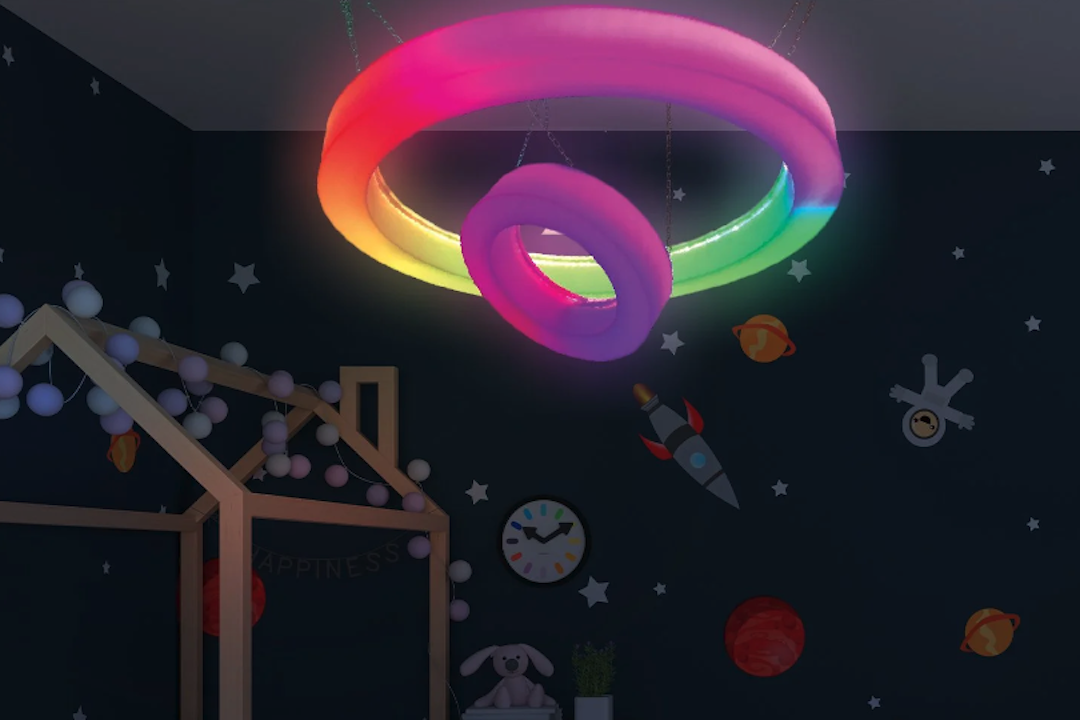
The modern playroom is more than just a storage space for toys. It’s an environment designed to foster creativity, learning, and relaxation. As parents, we often consider the furniture, the type of toys, and the overall layout. However, one element frequently overlooked, yet possessing significant influence, is lighting. Specifically, the integration of smart color-changing ceiling lights offers a practical and versatile solution for enhancing a child’s play area. These lights move beyond simple illumination; they provide a tool for atmosphere control, behavior management, and even educational reinforcement.
The Evolution of Playroom Lighting
Traditional playroom lighting typically consisted of a single overhead fixture, often emitting a harsh, static white light Mezohome. While functional, it lacked adaptability. As our understanding of child development and sensory input has grown, so too has the recognition that lighting can play a more active role in supporting a child’s various activities and moods. Smart color-changing ceiling lights address this gap, offering a dynamic alternative to static illumination. They provide a spectrum of options, allowing parents to tailor the environment to specific needs.
Before delving into the benefits, it’s useful to understand the technology. Smart color-changing ceiling lights, often referred to as RGBW or RGBWW lights, incorporate Red, Green, and Blue diodes to generate a vast array of colors. The ‘W’ or ‘WW’ denotes the inclusion of dedicated White or Warm White diodes, providing a broader spectrum of white light options, from cool bright white to warm soft yellow.
Core Technology and Functionality
These lights connect to a home’s Wi-Fi network or a dedicated hub. Control is typically managed through a smartphone application, a smart speaker, or a wall-mounted remote. This connectivity enables users to adjust brightness, select colors, program schedules, and sometimes even synchronize the lights with music or other smart devices. The underlying technology relies on LED (Light Emitting Diode) principles, meaning they are energy-efficient and boast a longer lifespan compared to traditional incandescent or fluorescent bulbs.
Advantages Over Traditional Lighting
The primary advantage lies in versatility. A single fixture can transition from providing bright, focused light for homework to a calming low-level glow for bedtime stories. This eliminates the need for multiple specialized lamps and fixtures, decluttering the playroom and simplifying its lighting infrastructure. The ability to change color and intensity on demand offers a level of control previously unattainable with standard lighting solutions.
Psychological Impact of Color on Children
Color is not merely decorative; it carries psychological weight. Various hues can evoke different emotions and influence behavior. For children, who are highly sensitive to their surroundings, the colors in their environment can significantly impact their mood, focus, and energy levels. Smart color-changing lights offer a direct means to leverage these psychological effects for constructive purposes.
Warm Colors (Reds, Oranges, Yellows)
These colors are often associated with energy, warmth, and excitement. A vibrant red might be stimulating, suitable for energetic play. Yellows can promote cheerfulness and creativity. Oranges can strike a balance between the two, offering a sense of enthusiasm without being overly stimulating. Using these colors strategically can help invigorate a child during periods of low energy or encourage active play.
Cool Colors (Blues, Greens, Purples)
In contrast, cool colors tend to have a calming and soothing effect. Blues are often linked with tranquility and focus. Greens can evoke a sense of nature and serenity. Purples, a mix of warm and cool, can promote imagination and introspection. These hues are particularly useful for creating a relaxed atmosphere, aiding in concentration for tasks like reading, or winding down before sleep.
Neutral Colors (Whites, Grays)
While color-changing lights excel at vibrant hues, the ability to produce a spectrum of white light is equally important. Cool white light can mimic natural daylight, promoting alertness and productivity. Warm white light offers a cozy, inviting ambiance, suitable for quiet activities. The flexibility to switch between these white temperatures ensures the playroom can adapt to various activities requiring neutral illumination.
Enhancing Playroom Activities and Routines
The practical application of smart color-changing lights extends beyond general atmosphere. They can be integrated into specific activities and daily routines, providing visual cues and adding an interactive element to a child’s day. This active participation can lead to a more engaging and structured environment.
Encouraging Creativity and Imagination
A playroom should be a hub for imaginative play. Color-changing lights can augment this by setting the scene. For instance, a royal blue can transform the room into an underwater adventure, while a deep purple might conjure a magical castle. The ability to swiftly change these backdrops can facilitate a child’s narrative and encourage them to explore different scenarios without physical alterations to the room.
Supporting Focused Learning and Homework
When it’s time for homework or quiet learning, a bright, neutral white light is often most conducive to concentration. Excessive color or dim lighting can be distracting or cause eye strain. Smart lights allow parents to switch to an optimal illumination for academic tasks, reducing visual fatigue and promoting a more productive study environment. The ability to program a timer for these lighting settings can also create a consistent routine.
Facilitating Relaxation and Bedtime Routines
The transition from active play to winding down for sleep is crucial. Harsh, bright lights can disrupt melatonin production, making it harder for children to fall asleep. Color-changing lights can be programmed to gradually dim and shift to warm, low-intensity colors like amber or soft red, signaling to the child’s brain that it’s time to relax. This gentle progression can be an effective component of a pre-sleep routine.
Managing Energy Levels and Behavior
Parents often seek strategies to help manage a child’s energy. Bright, stimulating colors can encourage active play. Conversely, when energy levels are high and a calmer atmosphere is desired, shifting to cooler, dim hues can provide a subtle yet effective cue for a child to quiet down. This isn’t about punishment; it’s about providing a visual aid that helps children regulate themselves, offering an alternative to constant verbal instruction.
Practical Implementation and Considerations
Integrating smart color-changing ceiling lights into a playroom requires some practical considerations beyond just choosing a product. Effective implementation involves planning, proper installation, and understanding the system’s capabilities.
Installation and Integration with Smart Home Systems
Most smart ceiling lights are designed for relatively straightforward installation, often replacing existing fixtures. However, if you are not comfortable with basic electrical work, professional installation is advisable. Compatibility with existing smart home ecosystems (like Amazon Alexa, Google Home, or Apple HomeKit) is a key factor. Seamless integration allows for voice control and the creation of complex automated routines involving other smart devices.
Safety and Durability
Children’s environments demand robust and safe products. Look for lights that are CE or UL certified, indicating they meet specific safety standards. Durability is also important; while children aren’t directly interacting with the ceiling fixture, a well-made product will withstand the general wear and tear of a busy household. LEDs themselves generate less heat, reducing fire risk compared to older lighting technologies.
Controlling and Programming Options
The user interface of the control app or smart speaker integration should be intuitive for parents. Features such as scene creation (pre-set color and brightness combinations), scheduling (automating light changes at specific times), and synchronization capabilities are beneficial. Some systems offer “wake-up” routines that gradually brighten the room like a sunrise, and “sleep” routines that dim and change color over time.
Cost and Energy Efficiency
While the initial cost of smart color-changing lights may be higher than traditional fixtures, the long-term benefits in terms of energy efficiency and versatility often outweigh this. LED technology consumes significantly less power and has a much longer lifespan, leading to reduced electricity bills and less frequent bulb replacement. Consider the total cost of ownership rather than just the purchase price.
Potential Challenges and Limitations
Despite their advantages, smart color-changing ceiling lights are not without potential downsides or aspects to consider. A balanced perspective acknowledges these points.
Technical Glitches and Connectivity Issues
Like any smart technology, these lights can be subject to connectivity issues. A weak Wi-Fi signal, router problems, or software glitches can temporarily disrupt functionality. While often easily resolved, these instances can be frustrating when reliance on the system is high.
Overwhelmed by Choices
The sheer number of color and brightness options can sometimes be overwhelming, particularly for children. While variety is a strength, too many choices without guidance can lead to indecision or indiscriminate use. Parents may need to guide children initially or set up pre-defined “scenes” for common activities.
Dependance on Technology
Relying heavily on smart technology means that if a device (smartphone, smart speaker) or the internet connection is unavailable, manual control might be limited or require a return to basic wall switches if they are still connected. While most systems offer some form of fallback, it’s a consideration.
Conclusion
Smart color-changing ceiling lights offer a substantial upgrade to the traditional playroom environment. They are more than just a novelty; they are a practical tool that can enhance various aspects of a child’s day. By understanding the psychological impact of color, leveraging flexible programming options, and considering the practicalities of implementation, parents can create a more dynamic, engaging, and supportive space for their children. These lights provide a versatile and energy-efficient method to adapt the playroom’s ambiance, moving beyond simple illumination to an integral part of a child’s developmental space.