Tiffany-style lamps originated in the late 19th century during a period of increased interest in decorative arts and the Arts and Crafts movement. Louis Comfort Tiffany, an American artist and designer born in 1848, was instrumental in their development. Tiffany worked as both a painter and designer, focusing on transforming functional objects into artistic pieces.
His interest in glass led to experimentation with various glassworking techniques, which resulted in the distinctive stained glass used in his lamps. Tiffany began producing his lamps in the 1890s, featuring complex designs frequently inspired by natural motifs. The lampshades consisted of colored glass pieces arranged in detailed patterns and imagery.
The manufacturing process required significant skill, with craftsmen hand-cutting and assembling glass pieces using a copper foil technique. This method provided more design flexibility than conventional lead came construction and improved the lamps’ structural integrity. Tiffany’s lamps gained widespread recognition and became associated with high-end craftsmanship and artistic design, attracting collectors and interior designers.
The Design and Craftsmanship of Tiffany-Style Floor Lamps
Tiffany-style floor lamps are celebrated for their exquisite design and meticulous craftsmanship. Each lamp is a testament to the artistry that goes into creating these unique pieces. The shades are typically composed of hundreds, if not thousands, of individual pieces of glass, each selected for its color and texture.
The glass is often opalescent, meaning it has a depth and richness that changes with the light, creating a dynamic visual experience. This characteristic is particularly evident when the lamp is illuminated, as the interplay of light and color transforms the room. The craftsmanship involved in making a Tiffany-style floor lamp is labor-intensive and requires a high level of skill.
Artisans begin by sketching designs that often feature floral motifs, geometric patterns, or scenes from nature. Once the design is finalized, they carefully select glass pieces that will bring the vision to life. Each piece is cut to fit precisely into the overall design, and then they are joined together using copper foil—a technique that allows for more intricate designs than traditional lead soldering.
This method not only enhances the aesthetic quality but also provides structural integrity to the lamp. The base of these lamps is often made from bronze or other metals, adding weight and stability while complementing the beauty of the glass shade.
How to Incorporate a Tiffany-Style Floor Lamp into Your Home Decor
Incorporating a Tiffany-style floor lamp into your home decor can elevate the aesthetic appeal of any room while providing functional lighting. One effective way to integrate these lamps is by placing them in areas where they can serve as focal points. For instance, positioning a Tiffany-style floor lamp next to a cozy reading chair can create an inviting nook that encourages relaxation and leisure.
The warm glow emitted by the lamp not only illuminates the space but also enhances the overall ambiance, making it an ideal spot for curling up with a good book. Another approach is to use Tiffany-style floor lamps to complement existing decor themes. These lamps can seamlessly blend with various styles, from traditional to eclectic.
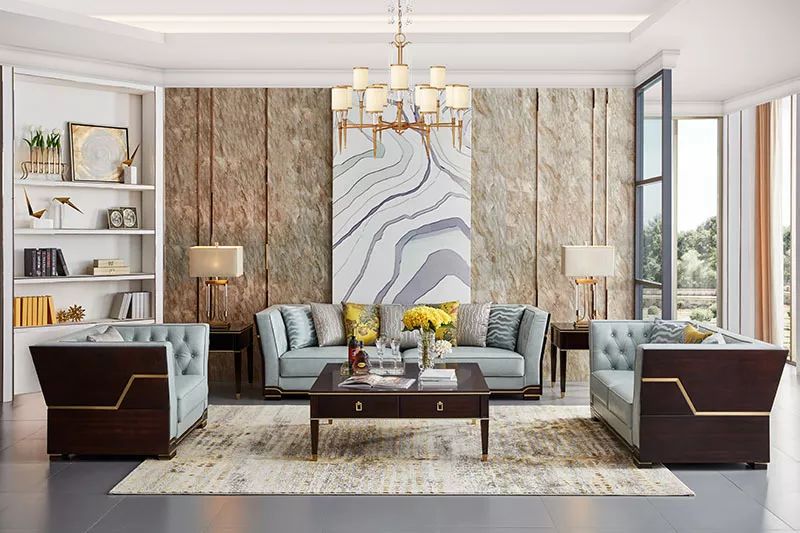
In a room adorned with vintage furniture, a Tiffany lamp can add a touch of elegance and sophistication. Conversely, in a modern setting, a lamp with bold colors and geometric patterns can serve as a striking contrast, adding depth and character to minimalist decor. When selecting a location for your lamp, consider factors such as height and scale; a tall floor lamp can draw the eye upward, making a room feel more spacious, while a shorter lamp can create intimacy in smaller spaces.
The Versatility of Tiffany-Style Floor Lamps in Different Room Settings
Tiffany-style floor lamps are remarkably versatile and can enhance various room settings beyond just living rooms or reading nooks. In dining areas, these lamps can provide ambient lighting that sets the mood for gatherings and meals. A well-placed Tiffany lamp can cast a warm glow over a dining table, creating an inviting atmosphere for family dinners or entertaining guests.
The intricate designs of the lamp shades can also serve as conversation starters, drawing attention to their artistry while complementing the overall decor. In bedrooms, Tiffany-style floor lamps can add both functionality and charm. They can be used as bedside lamps or positioned in corners to create soft lighting that promotes relaxation.
The soothing colors and patterns of these lamps can contribute to a serene environment conducive to rest. Additionally, they can be paired with other decorative elements such as artwork or textiles that echo their colors or motifs, creating a cohesive look throughout the space. Their ability to adapt to different styles makes them suitable for various settings, whether it’s a contemporary loft or a classic Victorian home.
Choosing the Right Tiffany-Style Floor Lamp for Your Space
Selecting the right Tiffany-style floor lamp involves considering several factors that align with your personal style and the specific needs of your space. First and foremost, assess the size of the room where you plan to place the lamp. A large room may benefit from a tall floor lamp with an expansive shade that can provide ample light, while smaller spaces might require more compact designs that do not overwhelm the area.
Additionally, consider the height of your furniture; a lamp should complement rather than compete with existing pieces. Color and design are also crucial elements in choosing a Tiffany-style floor lamp. The rich hues of stained glass can vary significantly; some lamps feature vibrant reds and blues, while others may have softer pastels or earthy tones.
Think about how these colors will interact with your existing decor—do you want the lamp to stand out as a statement piece or blend harmoniously with your surroundings? Furthermore, consider the design motifs; floral patterns may evoke a sense of nature and tranquility, while geometric shapes can add modern flair. Ultimately, selecting a lamp that resonates with your personal aesthetic will enhance your home’s overall ambiance.
Maintenance and Care Tips for Tiffany-Style Floor Lamps
Maintaining Tiffany-style floor lamps is essential for preserving their beauty and functionality over time. One of the most important aspects of care is regular cleaning. Dust and dirt can accumulate on both the glass shade and metal base, dulling their luster.
To clean the glass shade, use a soft cloth or microfiber towel dampened with water or a gentle glass cleaner; avoid abrasive materials that could scratch the surface. For intricate designs with crevices, a soft brush can help dislodge dust without damaging the glass. In addition to cleaning, it’s crucial to check electrical components periodically to ensure safety and functionality.
Inspect the cord for any signs of wear or damage; frayed cords should be replaced immediately to prevent electrical hazards. When changing bulbs, opt for LED bulbs that provide energy-efficient lighting while minimizing heat output—this is particularly important for preserving the integrity of glass shades over time. By following these maintenance tips, you can ensure that your Tiffany-style floor lamp remains a stunning centerpiece in your home for years to come.
The Timeless Appeal of Tiffany-Style Floor Lamps
The enduring allure of Tiffany-style floor lamps lies in their ability to transcend trends and remain relevant across generations. Their unique combination of artistry and functionality makes them not just lighting fixtures but also cherished works of art that enhance any space they inhabit. The intricate craftsmanship involved in their creation speaks to a level of dedication that resonates with collectors and enthusiasts alike.
Each lamp tells its own story through its design, colors, and patterns, making it more than just an object but rather an expression of creativity. Moreover, Tiffany-style lamps evoke nostalgia for many people, reminding them of bygone eras characterized by elegance and artistry. This connection to history adds depth to their appeal; they serve as tangible links to an artistic movement that celebrated beauty in everyday life.
As modern design trends continue to evolve, Tiffany-style floor lamps maintain their status as timeless classics that can be appreciated by both traditionalists and contemporary decorators alike.
Where to Find High-Quality Tiffany-Style Floor Lamps
Finding high-quality Tiffany-style floor lamps requires careful consideration of where you shop. Numerous retailers specialize in these exquisite pieces, ranging from dedicated lighting stores to online marketplaces. When searching for authentic Tiffany-style lamps, it’s essential to look for reputable brands known for their craftsmanship and attention to detail.
Companies like Dale Tiffany and Quoizel offer collections that reflect traditional techniques while incorporating modern innovations. Antique shops and estate sales can also be treasure troves for those seeking original Tiffany lamps or vintage reproductions. These venues often provide unique finds that carry historical significance and character not found in mass-produced items.
Additionally, online platforms such as Etsy feature artisans who create custom Tiffany-style lamps using traditional methods; this allows buyers to support independent creators while acquiring one-of-a-kind pieces tailored to their preferences. Regardless of where you choose to shop, ensuring authenticity and quality will guarantee that your investment in a Tiffany-style floor lamp will be both beautiful and enduring.