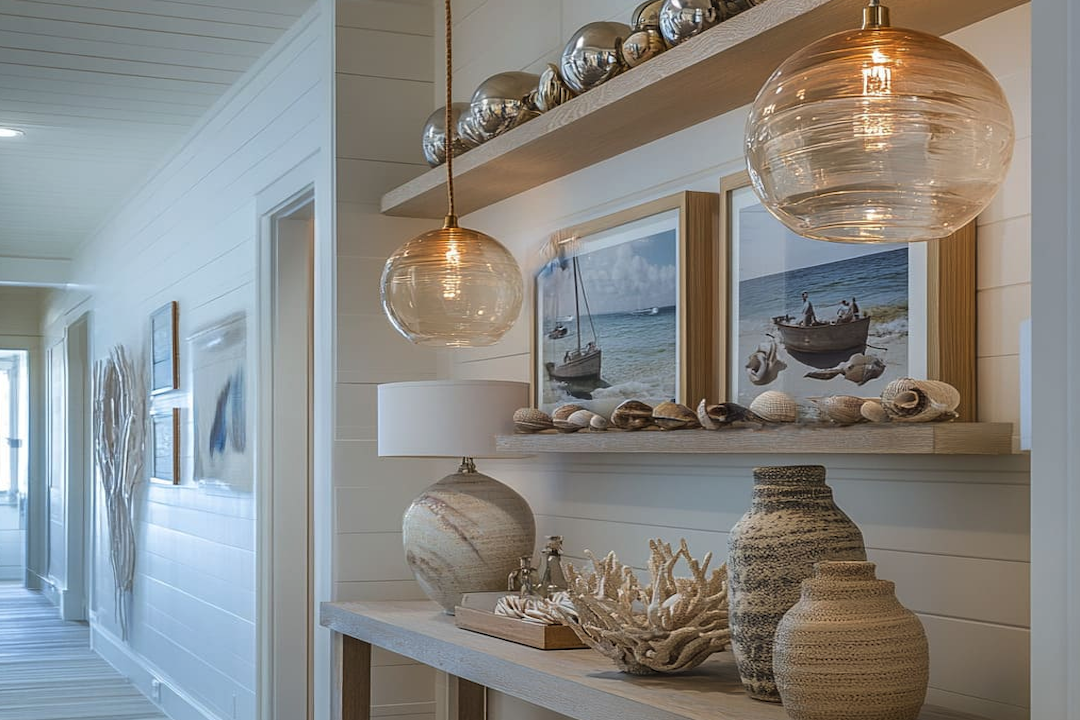
So, you’re looking to light up your glass wall corridor and make it feel less like a clinical afterthought and more like a cozy, inviting space? Good thinking! The short answer is that the key to a warm ambient passage with glass walls lies in understanding the interplay of light source, color temperature, and beam spread, all while considering how the glass itself interacts with the light. It’s about crafting an atmosphere, not just flipping a switch.
Let’s be honest, glass corridors can be stunning. They offer views, connect spaces, and bring in natural light. But when the sun goes down, or if the corridor is internal, they can quickly feel cold, stark, and a bit unwelcoming. Simply slapping a few stark ceiling lights Hozo in won’t cut it. Thoughtful lighting for these spaces isn’t just about visibility; it’s about making them feel like a natural extension of your home or office, a place you want to be, not just pass through. It elevates the space from transactional to experiential.
Beyond Basic Functionality
Think about it: a well-lit corridor can highlight architectural features, guide foot traffic gracefully, and even offer a sense of security. With glass walls, you have the added element of light reflecting and refracting, creating dynamic patterns that can be truly beautiful if handled correctly. It’s about transforming a functional pathway into an aesthetic statement.
The Challenge of Glass
Glass is a double-edged sword when it comes to lighting. Its transparency means whatever light hits it, or passes through it, is visible. This can amplify harsh light or create interesting effects with softer, warmer tones. The trick is to leverage its reflective and refractive qualities to your advantage, not let them expose poor lighting choices.
Understanding the Basics: Color Temperature and Brightness
Before we dive into specific fixtures, let’s get our heads around two fundamental concepts: color temperature and brightness. These are your primary tools for creating that “warm ambient” feel.
Color Temperature: Your Path to Warmth
This is probably the most crucial factor for achieving warmth. Color temperature is measured in Kelvin (K) and describes how “warm” or “cool” a light appears.
Lower Kelvin for Cozier Vibes
For a warm, inviting ambiance, you’ll want to aim for lower Kelvin values. We’re generally talking in the range of 2200K to 3000K.
- 2200K-2400K (Extra Warm White/Firelight): This is very warm, almost like candlelight or a very dim incandescent bulb. Great for creating a truly intimate, cozy atmosphere, but might be too dim for general navigation in a busy corridor. Use it for subtle accents.
- 2700K (Warm White): This is the sweet spot for many residential applications. It mimics traditional incandescent bulbs and has a soft, yellow-orange glow that feels very comfortable and inviting. Ideal for primary ambient lighting in a corridor.
- 3000K (Soft White): Still considered warm, but with less yellow and more white. It offers a good balance between warmth and clarity, often used in spaces where you want a friendly feel without being overly dim or romantic. Suitable for corridors where you need a bit more functional light but still want warmth.
What to Avoid for Warmth
Stay away from anything above 3500K if warmth is your goal.
- 4000K (Cool White/Neutral): This starts to feel more utilitarian, like office lighting. It’s clean and bright but lacks that cozy feeling.
- 5000K+ (Daylight/Bright White): This is very cool, almost bluish-white. Excellent for tasks where true color rendering is needed (like a workshop or laboratory), but completely inappropriate for a warm, ambient corridor. It will make your space feel sterile and unwelcoming.
Brightness: Setting the Mood
Brightness, measured in lumens, is about how much light a fixture emits. While “warm ambient” often implies softer light, you still need enough for safe passage.
Layering is Key
Instead of one super-bright light, think about layering different light sources at varying brightness levels. This creates depth and allows for flexibility. You might have a primary, slightly brighter ambient light, complemented by softer, warmer accent lights.
Dimming Capabilities are a Must
Seriously, every light source you choose for an ambient corridor should be dimmable. This allows you to adjust the mood instantly, from a gentle glow for evening relaxation to a slightly brighter setting for more practical needs. It also helps manage glare off the glass.
Strategic Fixture Placement and Types
Now that we understand color temperature and brightness, let’s talk about where to put the lights and what kind of fixtures to use. This is where you get to be creative.
Up-lighting for Softness and Height
Up-lighting involves directing light upwards, usually onto a ceiling or wall. This creates a soft, indirect glow that avoids harsh shadows and can make a corridor feel taller.
Wall-mounted Uplights
These fixtures are placed low on the wall, shining light upwards. They can cast interesting patterns on the ceiling and throw a gentle, diffused light into the corridor. When pairing with glass walls, consider how the light will reflect off the glass. You might want to choose fixtures with a frosted or diffused lens to soften the reflections.
Recessed Floor Uplights
If your corridor allows, small, recessed lights in the floor that shine up the glass wall can be incredibly dramatic. This highlights the glass itself and any textures within it, or even the view beyond if it’s an exterior wall. Ensure they are walk-over rated for safety and durability.
Down-lighting for Direct Illumination (Used Carefully)
While often associated with harsh office lighting, down-lighting can be used effectively for ambient corridors if chosen wisely.
Recessed Ceiling Downlights with Wide Beam Spreads
Avoid narrow spotlight-style downlights that create harsh pools of light. Instead, opt for fixtures with a wide beam spread (e.g., 60 degrees or more). This disperses the light more evenly and reduces harsh contrasts. Ensure they are set to that warm color temperature (2700K-3000K).
Wall-Washing Downlights
These are fixtures designed to illuminate a wall evenly from top to bottom. If you have a solid wall opposite a glass wall, a wall-washer can create a warm, illuminated backdrop that reflects subtly in the glass, adding to the ambient glow.
Wall Sconces for Accent and Texture
Wall sconces can add visual interest and layers of light. They’re great for breaking up long stretches of wall.
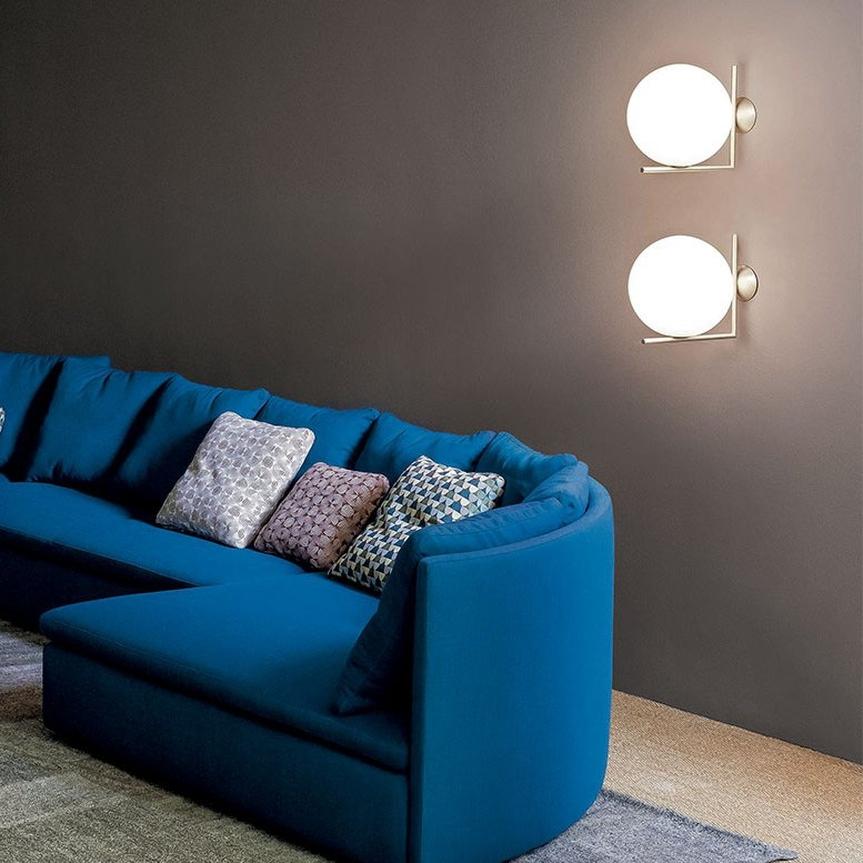
Diffused Sconces
Choose sconces that emit light through a frosted or opaque diffuser, or those that direct light up and down rather than directly out. This prevents glare, especially when the light reflects off the glass. The goal is a gentle glow, not a blinding flash.
Architectural Interest
Sconces themselves can be decorative elements. Look for designs that complement the sleekness of the glass and the overall aesthetic of your space. Their design can add a touch of personality to the corridor.
Linear Lighting for Modern Elegance
Linear lighting, often in the form of LED strips, is fantastic for creating continuous, seamless illumination.
Cove Lighting
If your corridor has a ceiling ‘cove’ (a ledge near the wall-ceiling junction), hiding LED strips here to shine upwards or outwards can create a beautiful, diffuse glow throughout the space. Because the light source itself isn’t directly visible, it feels incredibly soft and architectural.
Integrated into Millwork or Handrails
LED strips can also be integrated into custom millwork, such as a baseboard detail, or even subtly incorporated into a handrail if one is present. This provides discreet, low-level pathway lighting that feels very sophisticated.
The Glass Factor: Reflections and Transparency
Remember, you’re not just lighting a wall; you’re lighting a glass wall. This has unique implications.
Minimizing Glare
Glass is inherently reflective. Bright, unshielded light sources directly aimed at or near the glass will create distracting glare.
Shielding and Diffusion
Always opt for fixtures with good shielding (recessed, frosted diffusers, or indirect light). The goal is to see the effect of the light, not the bulb itself.
Strategic Aiming
Consider how the light beam will interact with the glass. Could it be aimed slightly away to reduce direct reflection? Or aimed at the glass to highlight its texture without being too bright? It’s a delicate balance.
Highlighting the View (or Obscuring It)
If your glass corridor overlooks an external view, your interior lighting needs to be carefully considered.
Interior vs. Exterior Balance
During the day, natural light often dominates. At night, if your interior lights are too bright, the glass will act like a mirror, reflecting the inside and obscuring the view outside. You want just enough light to see inside comfortably, but not so much that it creates a “black mirror” effect to the outside. Dimmable lights are crucial here for evening adjustments.
Emphasizing Transparency
Sometimes, you want to accentuate the transparency of the glass. Soft, linear lighting integrated into the floor or ceiling can frame the glass, making it feel like a glowing portal.
Control Systems: The Brains Behind the Ambiance
Having great fixtures is only half the battle. How you control them is equally important for creating that perfect warm, ambient passage.
Dimming is Non-Negotiable
We’ve mentioned it before, but it bears repeating: every fixture chosen for your ambient corridor should be dimmable. This is fundamental. Without dimming, you’re stuck with one level of brightness, which severely limits your ability to create different moods.
Choosing the Right Dimmer
Not all dimmers are created equal, especially with LED lights. Ensure your dimmer switch is compatible with LED technology to avoid flickering or buzzing. Consult with an electrician or lighting specialist if you’re unsure.
Zoning for Flexibility
Think about dividing your corridor lighting into different “zones” that can be controlled independently.
Multiple Circuits
This might mean separate switches for different types of lights (e.g., uplights on one switch, sconces on another, linear lighting on a third). This allows you to combine them as needed or use them individually.
Sensor Integration (Carefully Considered)
While motion sensors can be efficient, use them judiciously in a space meant for ambiance. A sudden, bright burst of light when you walk into a dimly lit corridor can be jarring. If used, ensure the sensors trigger a softer, lower-level light, or gradually ramp up the brightness.
Smart Lighting Systems
For ultimate control and convenience, consider integrating your corridor lighting into a smart home system.
Pre-set Scenes
Smart systems allow you to create “scenes” – combinations of light levels and colors – that can be activated with a single command. Imagine a “Night Mode” that dims all lights to their warmest, lowest setting, or a “Welcome Home” scene that gently illuminates the corridor as you enter.
Scheduling and Automation
You can also schedule lights to turn on and off at specific times or even integrate them with external factors like sunset. This adds to the feeling of effortless warmth and sophistication.
Maintenance and Longevity
Finally, a few practical points to consider once your beautiful lighting is installed.
LED is Your Best Friend
For new installations, stick with LED lighting. It’s energy-efficient, has a long lifespan, and many LED products offer excellent dimming capabilities and a wide range of warm color temperatures. While the initial cost might be slightly higher, the long-term savings and reduced maintenance are significant.
Accessibility for Future Maintenance
Think about how you’ll access the fixtures for cleaning or eventual replacement. While LEDs last a long time, nothing lasts forever. Ensure that recessed fixtures, particularly, can be easily serviced without major demolition. This is especially important for ceiling or floor-mounted lights.
Regular Cleaning
Glass walls and sophisticated lighting fixtures look their best when clean. Dust on fixtures can diminish their output, and smudges on glass can interfere with light reflection. Plan for regular, gentle cleaning to maintain that pristine, warm glow.
Crafting a warm, ambient passage with glass wall corridor lighting is a rewarding project. It’s about more than just illumination; it’s about creating a feeling, an experience. By thoughtfully considering color temperature, brightness, fixture types, strategic placement, and smart controls, you can transform a potentially stark pathway into a truly inviting and beautiful part of your space. Take your time, experiment, and enjoy the process of turning light into atmosphere.