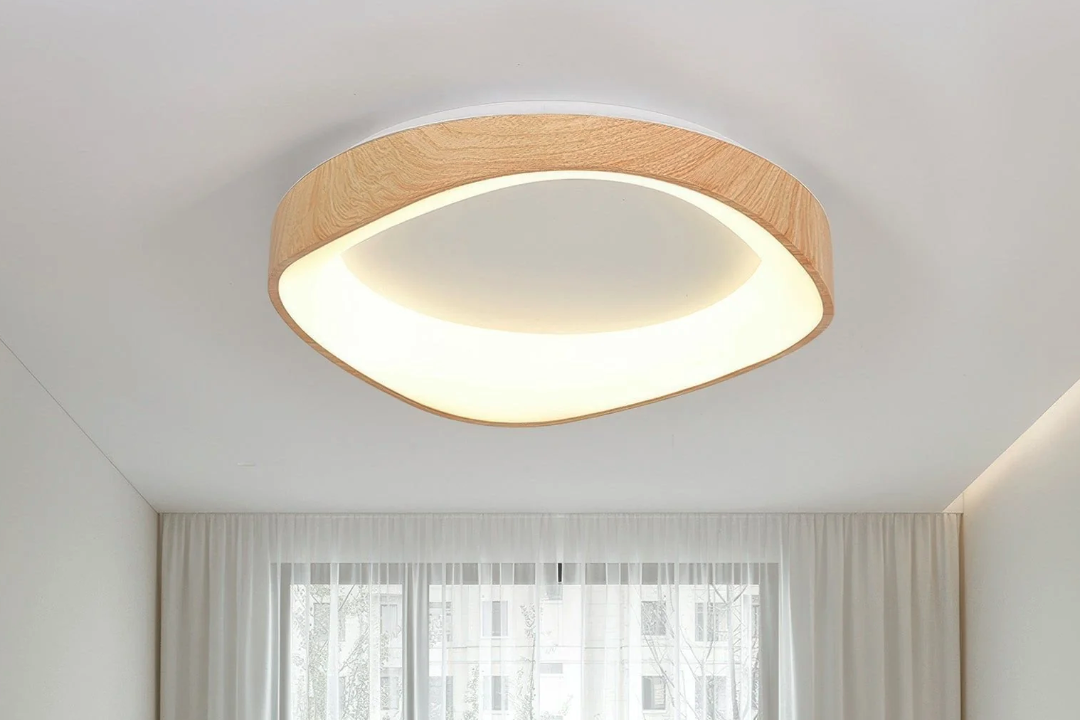
When you think about creating a cozy atmosphere, the ceiling might not be the first place that comes to mind. More often, we focus on comfy sofas, soft rugs, and warm blankets. But your ceiling lights play a surprisingly big role in how those elements come together to make a space feel truly inviting. Scandinavian design, known for its simplicity, functionality, and connection to nature, offers some fantastic ideas for achieving that snug, hygge vibe using ceiling lights.
Understanding the Scandinavian Approach to Light
Scandinavian design isn’t just about aesthetics; it’s deeply rooted in a practical response to the long, dark winters. Light Simiglighting is a precious commodity, carefully considered and intentionally used to maximize its impact. This means it’s not just about having a light source, but about how that light interacts with the space and the people in it.
The Importance of Natural Light (and how to supplement it)
Scandinavians are masters at maximizing natural light. Large windows, minimalist window treatments, and light-colored walls are all part of this strategy. But when the sun sets, or on those famously overcast days, artificial light needs to step in gracefully. The goal isn’t to blast every corner with harsh, bright light. Instead, it’s about layering and softening.
Simplicity and Functionality: The Core Principles
Think less is more when it comes to Scandinavian lighting. You won’t find ornate, overly decorative fixtures dominating the room. Instead, you’ll see clean lines, natural materials, and designs that serve a purpose without overwhelming the senses. This functionality extends to ease of use and maintenance, too.
The Role of Materials in Scandinavian Lighting
Wood, metal (often in matte finishes like brushed nickel or black), and simple glass are common materials. These choices lean into the natural world and bring a sense of earthiness and warmth. They also tend to age gracefully, developing a patina that adds character over time.
Choosing the Right Scandinavian-Inspired Ceiling Lights
The type of ceiling light you choose will significantly influence the overall mood. It’s not a one-size-fits-all situation. Different rooms and different functions call for different lighting solutions.
Pendant Lights: Versatile Stars of the Show
Pendant lights are incredibly versatile and a staple in Scandinavian interiors. Their ability to hang at varying heights allows you to control the light’s intensity and focus. They can be used individually or in groups to create visual interest.
Dining Room Drama with Pendants
Over a dining table, a cluster of pendant lights can create an intimate and focused atmosphere. The light directs attention to the meal and the people gathered, encouraging conversation and connection. Materials like matte black metal or light wood are classic choices.
Kitchen Task Lighting with Pendants
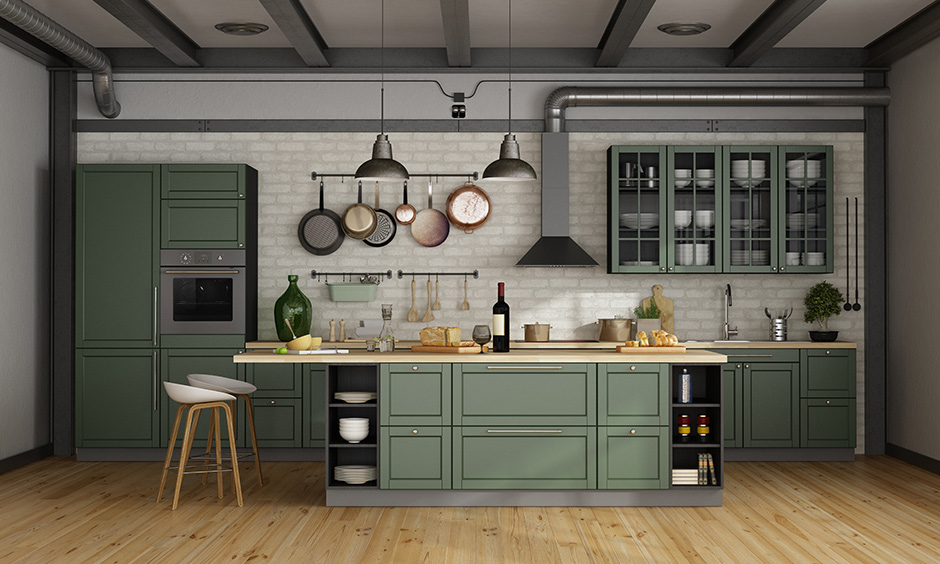
In the kitchen, pendants can provide excellent task lighting over islands or countertops. Opt for designs that cast a downward glow, ensuring you have enough light for food prep without being blindingly bright. Simple, cone-shaped pendants are a popular and effective choice.
Ambient Lighting from Living Room Pendants
In a living room, a single statement pendant can be a focal point. Choose one with a larger shade to diffuse light more broadly, creating a softer overall ambiance. A natural material like rattan or a matte white finish can contribute to the cozy feel.
Flush Mounts and Semi-Flush Mounts: Subtle and Effective
For rooms where a hanging pendant might be impractical or too low, flush mounts and semi-flush mounts offer a more streamlined solution. They are closer to the ceiling, making them ideal for lower-ceilinged spaces or high-traffic areas.
Maximizing Space with Flush Mounts
Flush mount fixtures sit directly against the ceiling. They’re great for hallways, laundry rooms, or smaller bedrooms where you want overhead light without any obstruction. Look for designs with frosted glass or fabric shades to soften the light.
A Touch of Elegance with Semi-Flush Mounts
Semi-flush mounts hang a few inches below the ceiling, leaving a small gap for light to escape upwards, creating a more diffused and softer glow. This is a good option for living rooms or bedrooms where you want ambient light that isn’t too direct.
Track Lighting: Flexible and Functional
While sometimes associated with more industrial or modern aesthetics, track lighting can be adapted to a Scandinavian sensibility by choosing simple, understated fixtures and strategically placing them.
Directing Light Where You Need It
The beauty of track lighting is its flexibility. You can adjust the direction of each individual light head to illuminate specific areas, highlight artwork, or create pools of light. This allows for a layered lighting approach.
Choosing the Right Track Head
For a Scandinavian feel, opt for track heads with clean, minimalist designs. Matte black or brushed metal finishes work well. Avoid overly chunky or complex fixtures.
The Art of Layering Light for Coziness
Achieving a cozy atmosphere isn’t about one overhead light; it’s about creating a harmonious blend of different light sources. This is where Scandinavian design truly shines – in its understanding of how light impacts mood.
Ambient Lighting: The Gentle Foundation
Ambient lighting is the general, overall illumination of a room. For a Scandinavian feel, this should be soft and diffused. Overhead lights, particularly those with shades that spread light outwards or upwards, are key here.
Softening the Glow with Shades
The material and design of a lampshade play a crucial role. Frosted glass, linen, or even natural wood can diffuse harsh light, making it much more welcoming. Avoid clear glass that directly exposes the bulb.
The Power of Dimmer Switches
This is perhaps the most practical tip for creating coziness. Installing dimmer switches on your ceiling lights allows you to control the intensity of the light. Being able to dim overhead lights in the evening is essential for transforming a bright space into a snug haven.
Task Lighting: Focused and Functional Illumination
Task lighting is designed for specific activities, like reading, cooking, or working. While these lights are functional, they can still contribute to the cozy atmosphere when chosen thoughtfully.
Under-Cabinet Kitchen Lights
These are a prime example of task lighting that enhances coziness. They illuminate your countertops without contributing to glare or harsh overhead light, making the kitchen feel more inviting for cooking and socializing.
Reading Nooks with Focused Pendants
A well-placed pendant light above a reading chair can create a cozy, intimate nook. The directed light encourages you to settle in with a book, and the limited area of illumination adds to the feeling of enclosure and comfort.
Accent Lighting: Adding Depth and Warmth
Accent lighting is used to highlight specific features, like artwork, architectural details, or plants. This adds visual interest and can contribute to a more layered and inviting ambiance.
Spotlighting Artwork
A small spotlight directed at a piece of art can draw the eye and create a focal point. This adds a touch of sophistication and warmth to the room without making the entire space brighter.
Illuminating Greenery
Highlighting a beloved plant with a subtle accent light can bring a bit of nature indoors and add a touch of organic warmth to the space.
Material Choices: Bringing Nature Indoors
Scandinavian design has a profound connection to nature, and this is clearly reflected in their choice of materials for lighting fixtures.
The Warmth of Wood
Wood is a quintessential Scandinavian material, and it brings an immediate sense of warmth and natural beauty to lighting.
Wooden Pendant Shades
Pendants with shades made from light-colored wood, like birch or ash, are incredibly popular. They diffuse light beautifully and add a touch of organic texture to the room.
Wooden Accents on Fixtures
Even if the main body of the fixture is metal or glass, wooden accents can soften the look and add that characteristic Scandinavian touch. Think wooden lamp bases on floor lamps or subtle wooden detailing on ceiling lights.
The Simplicity of Metal
Metal is used extensively, but in Scandinavian design, it’s typically in understated and matte finishes rather than being overly polished or ornate.
Matte Black and Brushed Nickel
These finishes offer a sophisticated and modern look without being cold. Matte black can add a grounding element, while brushed nickel offers a subtle sheen.
Powder-Coated Finishes
Many Scandinavian-inspired fixtures feature clean, powder-coated metal finishes in basic colors like white, grey, or black, emphasizing their minimalist aesthetic.
The Softness of Fabric and Glass
Fabric and glass shades are crucial for diffusing light and creating a soft, inviting glow.
Linen and Cotton Shades
These natural fabric shades create a warm, diffused light that’s perfect for creating a cozy atmosphere. They’re often found on semi-flush mounts or pendants.
Frosted and Opal Glass
Frosted or opal glass essentially softens the light from the bulb, preventing harsh glare and creating a more ambient glow. This is a common feature in flush mount and semi-flush mount fixtures.
Integrating Scandinavian Ceiling Lights into Your Home
Bringing these principles into your own home is about careful planning and a thoughtful approach. It’s not about replacing everything at once, but about making intentional choices.
Assessing Your Space and Needs
Before you start shopping, take some time to assess your rooms.
- What is the primary function of the room? (e.g., relaxation, dining, working)
- What is the existing ceiling height? This will influence the types of fixtures you can use.
- What is the current level of natural light?
- What is your existing decor style? You want the lighting to complement, not clash.
Layering Light Sources: A Practical Guide
As mentioned before, layering is key.
- Start with Ambient: Choose a main ceiling fixture that provides general illumination, ideally with a dimmer.
- Add Task: Identify areas where you need focused light and select appropriate task lights (e.g., under-cabinet lighting, a reading lamp).
- Incorporate Accent: Think about what you want to highlight and add subtle accent lighting.
Considering the Scale and Proportion
The size of your ceiling light needs to be in proportion to the room and the furniture.
- Too small and the light will feel insignificant and won’t provide enough general illumination.
- Too large and it can overpower the space and make it feel cluttered.
As a general rule of thumb for a pendant over a dining table, the diameter of the pendant should be roughly one-half to two-thirds the width of the table. For a living room, the widest point of the fixture shouldn’t exceed the width of the piece of furniture it’s centered over (e.g., a sofa or coffee table).
The Importance of Bulb Choice
Don’t forget about the bulbs! The color temperature and brightness of your bulbs significantly impact the atmosphere.
- Warm White (2700K-3000K): This is ideal for creating a cozy, inviting ambiance. Avoid cooler, blueish tones (above 4000K) for living spaces if coziness is your goal.
- Dimmable Bulbs: Ensure your bulbs are compatible with dimmer switches if you plan to use them.
Conclusion: Illuminating Coziness, Scandinavian Style
Creating a cozy atmosphere with Scandinavian ceiling lights isn’t about following rigid rules, but about embracing a philosophy. It’s about using light as a tool to enhance comfort, foster connection, and bring a sense of calm into your home. By focusing on simplicity, functionality, natural materials, and the art of layering light, you can transform even the most ordinary ceiling into a source of warmth and invitation. So, next time you’re thinking about making your home more welcoming, look up – your ceiling lights might just hold the key to unlocking that perfect cozy vibe.