Vintage glass lighting, encompassing a broad range of fixtures produced from the late 19th century through the mid-20th century, offers a distinctive aesthetic for heritage homes. These pieces are characterized by their period-specific design elements, materials, and construction techniques, contrasting with modern lighting solutions. Their integration into older properties can enhance historical accuracy and contribute to a cohesive interior design.
The development of vintage glass lighting Dylonon mirrors shifts in societal taste, technological advancements, and industrial capabilities. Understanding these historical currents is crucial for appreciating the nuances of different styles.
Early Electric Lighting and Gaslight Influences
The late 19th century saw the gradual adoption of electricity, initially in urban centers. Early electric fixtures often mimicked the designs of gaslight fixtures, featuring exposed bulbs and ornate metallic frameworks. Glass shades were primarily functional, diffusing the harsh glow of early incandescent bulbs. Materials like pressed glass and cut glass were common, reflecting Victorian predilections for ornamentation.
Art Nouveau and the Organic Form
At the turn of the 20th century, Art Nouveau introduced organic, flowing lines and naturalistic motifs. Lighting fixtures from this era frequently incorporated stained glass elements, often in floral or botanical patterns. Tiffany lamps are a prominent example, showcasing intricate designs and a rich color palette. These pieces moved beyond mere functionality, becoming decorative art objects.
Art Deco and Geometric Precision
The 1920s and 1930s ushered in Art Deco, characterized by geometric shapes, streamlined forms, and a sense of modernity. Glass components in Art Deco lighting often featured frosted, etched, or molded designs, emphasizing symmetry and repetition. Materials like opalescent and milk glass were popular, providing a softer, more diffused light. Chrome and nickel finishes frequently complemented the glass elements.
Mid-Century Modern and Simplified Aesthetics
Post-World War II, Mid-Century Modern design emerged, prioritizing functionality, simplicity, and innovative materials. While some fixtures from this era utilized glass, particularly in spherical or conical forms, the emphasis often shifted to other materials or minimalist designs. However, certain styles, such as Venini Murano glass fixtures, maintained a strong emphasis on hand-blown artistry and vibrant colors.
Types of Vintage Glass Lighting Fixtures
Vintage glass lighting encompasses a diverse array of fixture types, each serving a particular purpose and contributing a specific aesthetic to a space.
Chandeliers
Vintage chandeliers, often grand in scale, were designed to be focal points in larger rooms. Early examples frequently featured bronze or brass frameworks with numerous cut glass prisms or crystal drops, reflecting light for maximum sparkle. Art Deco chandeliers might incorporate tiered frosted glass elements or geometric designs. Care should be taken to ensure the structural integrity of the ceiling before installation due to their weight.
Pendants
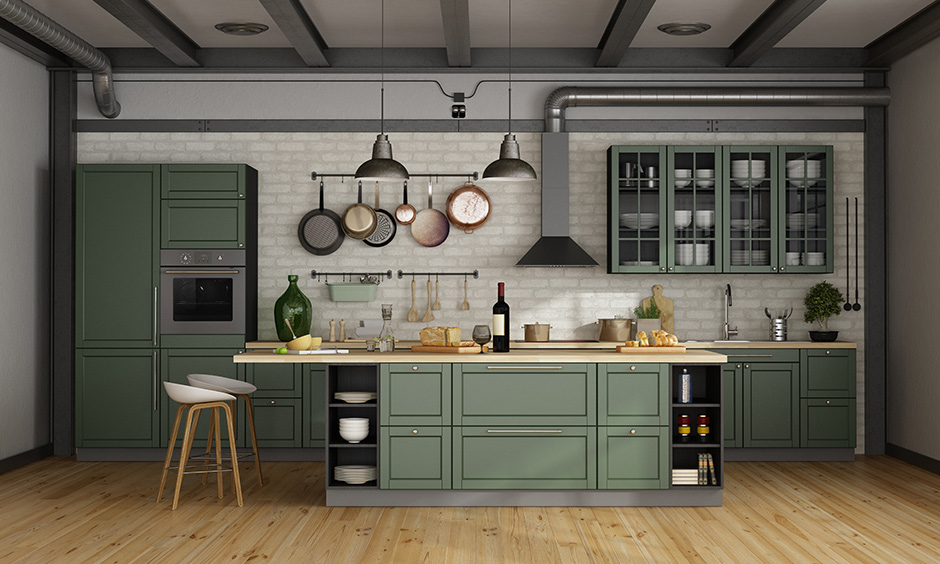
Pendant lights, suspended from the ceiling by a rod or chain, offer a more direct and localized illumination. Vintage pendants vary widely, from single-bulb fixtures with simple glass shades to multi-light arrangements with more elaborate designs. They are often suitable for specific areas such as kitchen islands, dining tables, or hallways where focused light is beneficial.
Sconces
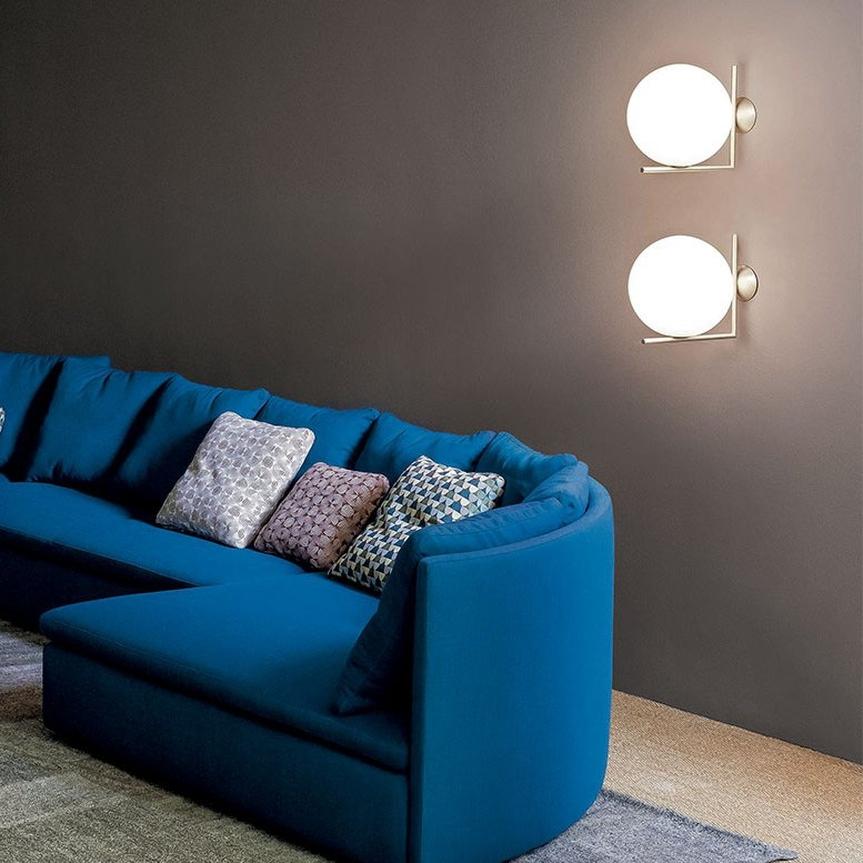
Wall sconces provide ambient and accent lighting, often used in pairs to create symmetry. Vintage sconces can range from ornate Victorian styles with etched or frosted globes to streamlined Art Deco designs with geometric glass diffusers. Their placement at eye level requires careful consideration to avoid glare.
Table and Floor Lamps
Table and floor lamps offer portable and flexible lighting solutions. Vintage examples frequently feature glass shades, often in leaded glass (like Tiffany lamps), stained glass, or molded glass, resting on metal or ceramic bases. The choice of glass shade significantly influences the lamp’s light output and aesthetic contribution.
Flush Mounts and Semi-Flush Mounts
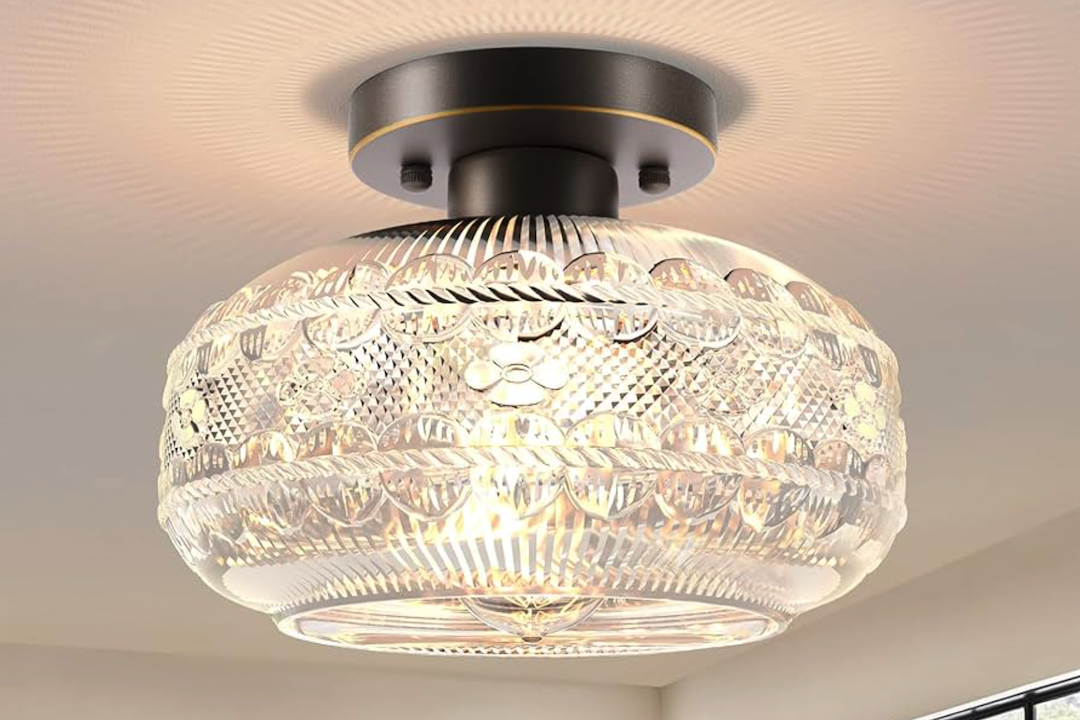
These fixtures are mounted directly to the ceiling (flush) or with a slight gap (semi-flush). Vintage flush mounts often feature dome-shaped glass shades, sometimes with decorative patterns, providing general illumination without significant projection into the room. They are practical for spaces with lower ceiling heights.
Materiality and Craftsmanship
The materials and manufacturing techniques employed in vintage glass lighting are integral to their character and authenticity.
Glass Types and Production Methods
Various types of glass were used, each with distinct properties. Pressed glass involved molding molten glass into intricate patterns. Cut glass, often associated with crystal, involved hand-cutting facets into the surface for brilliance. Stained glass sheets were cut and joined with lead came, creating pictorial or geometric designs. Blown glass, particularly from regions like Murano, allowed for unique forms and colors. Other types include opalescent, milk glass (opaque white), frosted, and etched glass, each offering different light diffusion characteristics.
Metal Components and Finishes
The metal components, typically brass, bronze, copper, nickel, or chrome, serve both structural and decorative roles. Finishes varied from polished and lacquered to patinated and antique finishes. Restoration of these components often involves careful cleaning and, if necessary, re-patination rather than stripping to maintain historical accuracy.
Fabrication Techniques
Vintage lighting was largely produced through skilled hand craftsmanship. Soldering, glass blowing, metalworking, and intricate assembly were common practices. These techniques often resulted in subtle variations between pieces, which are considered part of their charm rather than imperfections. Mass production methods later introduced more uniformity but often with less individual artistry.
Integration into Heritage Homes
Integrating vintage glass lighting into a heritage home requires a thoughtful approach to ensure aesthetic coherence, functional suitability, and electrical safety.
Aesthetic Considerations and Period Accuracy
When selecting vintage lighting, consider the architectural period of the home. A Victorian residence might benefit from ornate, cut-glass chandeliers, while an Arts and Crafts bungalow could be complemented by simpler, perhaps mission-style fixtures with amber or green glass. Mixing periods can be effective if done judiciously, but a general adherence to the home’s original era often yields a more harmonious result. For example, installing an Art Deco fixture in a predominantly Georgian interior might create a jarring contrast, drawing undue attention to the fixture rather than complementing the overall design.
Scale and Proportion
The size and scale of a lighting fixture must be appropriate for the room. A large chandelier in a small entryway can overwhelm the space, while a diminutive fixture in a expansive living room might appear insignificant. Consider ceiling height, room dimensions, and the overall volume of the space when making selections. A rule of thumb for chandeliers is to add the room’s length and width in feet, and that sum in inches roughly equates to the ideal diameter of the fixture. This is not a rigid rule but a guiding principle.
Lighting Functionality and Layering
Beyond aesthetics, lighting serves a practical purpose. Vintage fixtures, while beautiful, might not always provide optimal illumination for modern activities. Consider a layered lighting approach: ambient lighting (general soft light, often from ceiling fixtures), task lighting (focused light for specific activities, such as reading lamps), and accent lighting (to highlight architectural features or artwork). Vintage fixtures can serve various roles within this system; for example, a stunning vintage chandelier primarily provides ambient light, while a period-appropriate table lamp can offer task lighting. The type of glass chosen for a shade (e.g., frosted versus clear) significantly impacts light diffusion.
Restoration and Maintenance
Vintage lighting requires careful handling and, often, professional restoration to ensure longevity and safety.
Electrical Safety and Rewiring
Many vintage fixtures were manufactured to older electrical standards that may not comply with current safety regulations. Rewiring by a qualified electrician is paramount to prevent fire hazards and ensure proper functionality. This involves replacing old wiring with new, insulated wiring, checking sockets, and ensuring proper grounding. The integrity of internal components, such as lamp holders and insulators, should also be assessed. Failure to address these concerns can render an otherwise beautiful fixture unsafe for use.
Cleaning Techniques for Glass and Metal
Proper cleaning preserves the beauty of vintage fixtures without causing damage. For glass, gentle detergents and soft cloths are recommended. Abrasive cleaners can scratch etched or painted surfaces. For metal components, the approach depends on the finish. Patinated surfaces should generally not be polished aggressively, as this removes the historical patina. Polished brass or copper can be cleaned with appropriate metal polishes, but care should be taken to avoid contact with glass. Always disconnect power before cleaning any electrical fixture.
Repair and Conservation
Cracked glass, missing crystals, or damaged metalwork may require specialist repair. Professional conservators or restorers possess the skills and materials to undertake such work, often sourcing period-appropriate replacement parts or fabricating new ones to match existing elements. The goal of conservation is to stabilize the object and address damage while retaining as much original material as possible. This is a subtle art that balances restoration with authenticity.
Sourcing and Authentication
Acquiring authentic vintage glass lighting involves diligent sourcing and an understanding of authentication practices.
Reputable Dealers and Sources
Seek out established antique dealers, specialized vintage lighting shops, and reputable auction houses. These sources often provide provenance, expertise, and a degree of assurance regarding authenticity and condition. Online marketplaces can also be fertile ground, but require greater scrutiny from the buyer. Exercise caution with generalist sellers who may lack specialized knowledge.
Identifying Reproductions and Fakes
The market for vintage lighting includes reproductions and fakes. Distinguishing authentic pieces often involves examining construction techniques, material quality, and design details characteristic of the alleged period. For instance, the patina on metal, the quality of glass etching, and the type of wiring can offer clues. Researching specific manufacturers and their hallmarks or signatures is also advisable. A reproduction might use modern screws or show signs of manufacturing inconsistencies not present in genuine vintage pieces.
Evaluating Condition and Value
Assess the condition for cracks, chips, missing parts, and signs of previous repairs. While some wear is expected in vintage items, significant damage can impact both aesthetic appeal and value. Pricing is subjective and influenced by rarity, designer attribution, condition, and market demand. A thorough inspection, ideally in person, is recommended before purchase. Consider whether the cost of potential restoration aligns with the desired investment.
Vintage glass lighting is not merely about illumination; it acts as a silent narrative, echoing historical periods and craftsmanship. By integrating these pieces thoughtfully, you can underscore the inherent character and historical significance of your heritage home, creating an environment that resonates with authenticity and style. These fixtures transcend their functional role, becoming integral components that contribute to the story and atmosphere of a well-preserved property. They are, in essence, conduits through which the past communicates with the present.