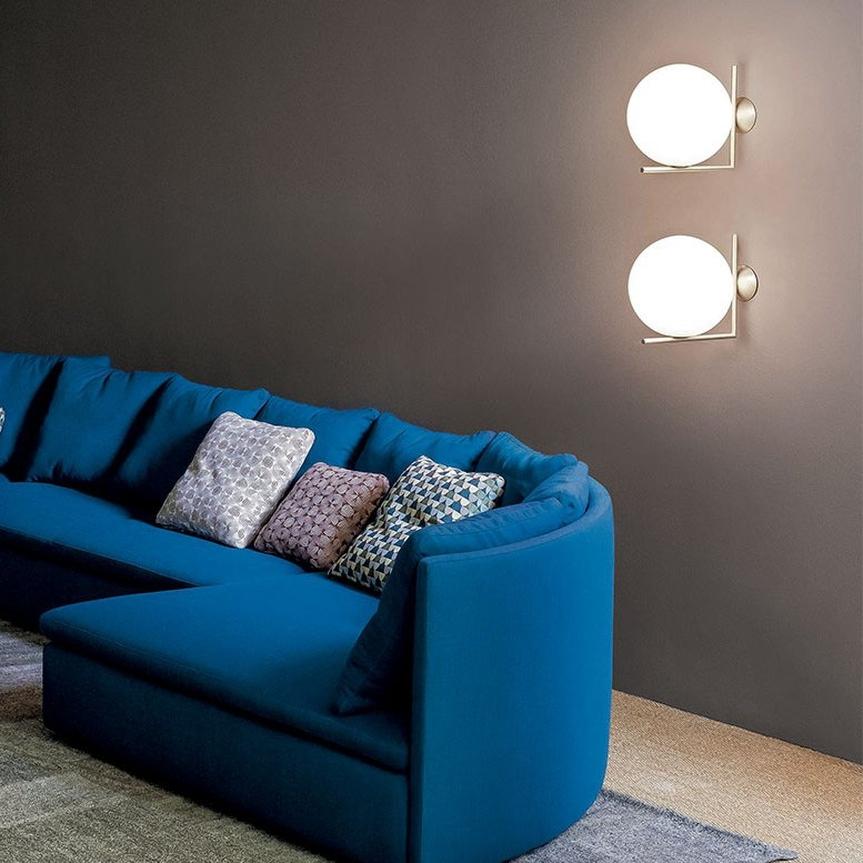

Dimmable wall lamps offer a practical and versatile lighting solution for bedside areas. This article explores the various aspects of integrating dimmable wall lamps into your bedroom, focusing on their functionality, aesthetic impact, and technical considerations. We will delve into the benefits of adjustable illumination, examine different lamp types, and discuss installation and control methods.
Dimmable wall lamps, as their name suggests, are light fixtures mounted directly to a wall that allow for the adjustment of their light output. Unlike traditional on/off switches, a dimmer enables a spectrum of brightness levels, from a soft glow to full illumination. This functionality distinguishes them from fixed-output lighting, offering greater control over the ambiance of a space.
The Mechanism of Dimming
The ability to dim a light is achieved through a dimmer switch, which regulates the flow of electrical current to the lamp. Different dimming technologies exist, each with its own advantages and limitations.
- Leading-edge dimmers: These are the most common type and work by “chopping” the leading edge of the AC waveform. They are generally suitable for incandescent and halogen bulbs.
- Trailing-edge dimmers: These dimmers regulate the trailing edge of the AC waveform and are often preferred for LED and CFL bulbs due to their smoother dimming performance and reduced likelihood of flickering.
- 0-10V dimming: This commercial-grade dimming system uses a low-voltage control signal (0-10 volts) to communicate with the lighting fixture, allowing for precise dimming.
- DALI (Digital Addressable Lighting Interface): A more advanced digital dimming protocol, DALI allows individual control of light fixtures and integration into smart home systems.
- Phase-cut dimming: This encompasses both leading-edge and trailing-edge dimming, referring to the method of cutting the AC waveform.
The choice of dimmer technology directly impacts the lamp’s compatibility and performance. Mismatched dimmer switches and bulbs can lead to flickering, buzzing, or premature bulb failure. Therefore, understanding the lamp’s specifications and the chosen bulb type is crucial for optimal operation.
Lamp Types and Light Sources
Dimmable wall lamps are available in a variety of designs and can accommodate different light sources. The choice of light source impacts energy efficiency, color temperature, and perceived brightness.
- Incandescent bulbs: While offering excellent color rendering and a warm glow, incandescent bulbs are energy-intensive and have a shorter lifespan. Their dimming performance is generally smooth.
- Halogen bulbs: These are a more efficient variant of incandescent bulbs, offering a brighter, whiter light. They also dim well.
- CFL (Compact Fluorescent Lamp) bulbs: Dimmable CFLs are available, but their dimming range can be limited, and some may exhibit flickering or buzzing at lower settings. They are more energy-efficient than incandescent and halogen options.
- LED (Light Emitting Diode) bulbs: LED technology has revolutionized lighting, offering exceptional energy efficiency, long lifespan, and a wide range of color temperatures. Dedicated dimmable LEDs are essential for proper functionality, as standard LEDs are not designed for dimming. Dimmable LEDs often require specific trailing-edge dimmers for optimal performance.
The lamp’s design also dictates the type of light source it can house. From integrated LED modules to fixtures designed for screw-in bulbs, the selection is diverse. Consider the ease of bulb replacement and future compatibility when making your choice.
Benefits of Dimmable Bedside Lighting
The ability to adjust light output at your bedside goes beyond mere convenience; it profoundly impacts your comfort, sleep hygiene, and the overall functionality of your bedroom.
Enhancing Ambiance and Mood
A dimmable wall lamp acts as a sculptor of light, allowing you to craft the atmosphere of your bedside. At full brightness, it can illuminate your reading material or facilitate tasks. As you dim it, the light softens, transforming the space into a tranquil haven. This control over light intensity is critical for setting the appropriate mood for relaxation, intimacy, or winding down before sleep.
Imagine the transition from a brightly lit room to a softly illuminated space as night approaches. This gradual reduction in light mimics the natural sunset, signaling to your body that it’s time to rest. The control provided by a dimmable lamp empowers you to orchestrate this transition effortlessly.
Improving Sleep Hygiene
Exposure to bright, blue-rich light in the evening can disrupt your body’s natural circadian rhythm, inhibiting the production of melatonin, the sleep hormone. A dimmable bedside lamp provides a critical টুল to mitigate this effect. By gradually dimming the light to a warm, low setting as bedtime approaches, you send a clear signal to your brain that it’s time to prepare for sleep.
This gentle illumination reduces eye strain and avoids the harsh jolt of sudden bright light after waking during the night. If you need to navigate your room briefly, a low-level light provides sufficient vision without fully waking your senses. This thoughtful approach to lighting can contribute significantly to better sleep quality over time, acting as a crucial component of a balanced sleep environment.
Versatility in Function
A dimmable wall lamp at your bedside is a chameleon, adapting to various activities. It serves as a focused reading lamp when you require clear, bright illumination for a book or tablet. For a more relaxed evening, it transforms into a soft accent light, akin to a gentle glow that provides just enough light without being intrusive.
Consider the various scenarios:
- Reading: Full brightness ensures minimal eye strain.
- Relaxation: A dimmed setting creates a calming atmosphere.
- Navigation: A very low setting provides enough light to move around without disturbing a sleeping partner or fully waking yourself.
- Decorative accent: Even when not actively used for a task, a subtly lit wall lamp can contribute to the room’s aesthetic.
This versatility removes the need for multiple bedside lighting fixtures, streamlines your setup, and offers a cohesive lighting solution for your personal space.
Design and Aesthetic Considerations
Beyond its functional utility, a dimmable wall lamp contributes significantly to the visual appeal and overall design of your bedroom. Its placement, style, and the type of light it emits all play a role in shaping the room’s character.
Integrating with Interior Design
The form and finish of your dimmable wall lamp should harmonize with your existing bedroom décor. Consider the lamp as an extension of your design narrative, not an isolated object.
- Modern and minimalist bedrooms: Opt for sleek, geometric designs with metallic finishes (brushed nickel, matte black) or minimalist white forms. Integrated LED fixtures often fit this aesthetic perfectly.
- Traditional or classic spaces: Lamps with fabric shades, bronze or brass accents, and more ornate features can complement the existing design. Consider swing-arm lamps for a classic library feel.
- Industrial aesthetics: Exposed bulbs, metal cages, and raw finishes resonate with an industrial theme. Exposed wiring, if safely installed, can even be part of the aesthetic.
- Bohemian or eclectic rooms: Look for lamps with unique textures, patterns, or handcrafted elements. Rattan, wood, or colored glass could be suitable choices.
The goal is to select a lamp that feels intentionally placed, a natural extension of your chosen style rather than an afterthought.
Placement and Mounting
The strategic placement of your dimmable wall lamp is paramount for both aesthetics and functionality. Consider the height, distance from the bed, and whether it’s for individual or shared use.
- Height: A general guideline is to mount the bottom of the lamp shade or the light source at approximately shoulder height when you are seated or lying in bed. This minimizes glare and ensures the light is directed effectively.
- Distance from the bed: For reading, the lamp should be close enough to illuminate your reading material without casting shadows. A swing-arm lamp offers the most flexibility in this regard.
- Symmetry versus asymmetry: For a shared bed, two identical lamps, one on each side, offer a balanced and symmetrical look. For a single bed or a more eclectic design, a single strategically placed lamp can suffice.
- Task lighting: If the primary purpose is reading, ensure the light source is positioned to eliminate shadows on your page. Lamps with adjustable heads or arms are particularly effective here.
- Clearance: Ensure there is adequate clearance around the lamp for movement and to avoid accidental bumps.
Improper placement can lead to uncomfortable glare, inadequate light, or an imbalanced visual appearance. A well-placed wall lamp becomes an integral part of the room’s architecture.
Light Distribution and Directionality
Dimmable wall lamps offer various light distribution patterns, impacting how the light interacts with your space.
- Up-light/Down-light: Some lamps direct light upwards, downwards, or both. An up-light can create a soft ambient glow, washing the wall with light. A down-light is more functional, providing direct illumination.
- Adjustable heads/swing arms: These designs allow you to direct the light precisely where it’s needed, ideal for reading or focused tasks. The flexibility of a swing arm makes it a versatile choice for bedside applications.
- Diffused light: Lamps with translucent shades or diffusers disperse the light softly, reducing harsh shadows and creating a more ambient glow.
- Accent lighting: Even when dimmed, the light can highlight artwork, architectural features, or simply draw attention to the lamp itself as a decorative element.
Consider how the light will spread in your room. Will it bounce off the ceiling, illuminate your books, or create a gentle wash on the wall? The lamp’s design dictates this behavior.
Installation and Control Methods
Proper installation and the choice of control mechanism are critical for the safe and efficient operation of your dimmable wall lamp. This section outlines the practical considerations for integrating these fixtures into your bedroom.
Wiring and Electrical Considerations
Installing a wall lamp, especially a hardwired one, typically involves working with electrical circuits. If you are not experienced with electrical work, it is strongly recommended to consult or hire a qualified electrician.
- Hardwired installation: This involves connecting the lamp directly to your home’s electrical system, usually tied into an existing switch or a new one. This provides a clean, permanent look with no visible cords.
- Plug-in installation: Some wall lamps are designed to plug directly into an electrical outlet. These are easier to install for DIY enthusiasts but result in a visible cord, which may need to be managed with cord covers for a neat appearance.
- Concealed wiring: For a professional finish with plug-in lamps, internal wall channels can be created to hide the cord, but this requires more invasive installation.
- Circuit capacity: Ensure that the circuit chosen can handle the wattage of the lamp, especially if it is connected to a circuit with other high-draw appliances. Modern LED lamps consume significantly less power, reducing this concern.
- Grounding: Proper grounding of the fixture is essential for electrical safety, preventing shocks in the event of a fault.
Always ensure the power is turned off at the circuit breaker before undertaking any electrical work. Adherence to local electrical codes is mandatory.
Dimmer Switch Types and Compatibility
The dimmer switch is the brain of your dimmable wall lamp system. Its compatibility with your chosen light source is paramount.
- Wall-mounted dimmers: These are the most common type, replacing a standard light switch. They can be rotary (twist to dim), slide (slide a lever up or down), or push-button (press to switch on/off, hold to dim).
- Cord-line dimmers: For plug-in lamps, a dimmer can be integrated into the power cord itself. This offers flexibility but may not be as aesthetically clean as a wall-mounted unit.
- In-line dimmers: Similar to cord-line dimmers, but often designed to be installed by cutting into the existing lamp cord, offering a slightly more integrated look.
- Smart dimmers: These integrate with smart home systems (e.g., Apple HomeKit, Google Home, Amazon Alexa) allowing control via voice commands, smartphone apps, or scheduled routines. Many smart dimmers offer advanced features like fade-in/fade-out, scene setting, and remote access.
As discussed previously, ensure the dimmer’s technology (leading-edge, trailing-edge, 0-10V, DALI) matches the requirements of your bulb type, particularly for CFLs and LEDs. Mismatched dimmers can lead to flickering, humming, or incomplete dimming.
Integrated Control Features
Some dimmable wall lamps come with built-in control mechanisms, offering convenience and simplifying installation.
- Touch dimming: The lamp itself may have a touch-sensitive area that allows you to tap to switch on/off and hold to dim. This eliminates the need for a separate wall switch.
- Remote control: Some models include a dedicated remote control, allowing you to adjust the lighting from your bed without reaching for a wall switch or the lamp itself. These can be particularly convenient for individuals with mobility challenges.
- Puck dimmers: Small, often wireless, puck-shaped dimmers can be placed on a bedside table or adhered to a wall for easy access. They typically communicate with the lamp or a smart hub.
- Proximity sensors: In some advanced applications, sensors might dim or brighten the light based on movement or the presence of a person. While less common for bedside functionality, this technology exists.
These integrated solutions provide an additional layer of control and personalization to your bedside lighting experience.
Maintenance and Longevity
Ensuring the proper care and timely replacement of components will extend the life of your dimmable wall lamp and maintain its aesthetic and functional integrity.
Cleaning and Care
Regular cleaning prevents dust and grime buildup, which can diminish light output and affect the lamp’s appearance.
- Dusting: Use a soft, dry cloth or a duster to regularly remove dust from the lamp fixture and shade.
- Wiping: For more stubborn dirt or smudges, use a slightly damp cloth with a mild, non-abrasive cleaner. Avoid harsh chemicals that could damage the finish or materials.
- Component inspection: Periodically check screws, mounting hardware, and electrical connections for any signs of loosening or wear.
- Shade care: Fabric shades may require gentle vacuuming or professional cleaning depending on the material. Glass or metal shades can typically be wiped clean.
Always disconnect the power to the lamp before cleaning to prevent electrical shock.
Bulb Replacement and Upgrade
The lifespan of a bulb varies significantly based on its type and usage.
- Incandescent/Halogen: These bulbs have a shorter lifespan and will require more frequent replacement. When replacing, ensure the new bulb’s wattage does not exceed the lamp’s maximum rating.
- CFL/LED: These offer considerably longer lifespans, minimizing the frequency of bulb changes. When upgrading from older bulb types to LEDs, ensure the new LED bulbs are explicitly designed for dimming and are compatible with your existing dimmer switch.
- Integrated LEDs: If your lamp has built-in LED modules, bulb replacement is not an option. The entire fixture may need to be replaced if the LEDs fail or if you desire a different light characteristic unless it’s designed with replaceable LED arrays.
- Color temperature: When replacing bulbs, consider maintaining a consistent color temperature across your bedroom lighting for a harmonious look.
Keeping a spare, compatible bulb on hand can save you a trip to the store when a replacement is needed.
Troubleshooting Common Issues
Despite proper installation and care, issues can occasionally arise with dimmable wall lamps.
- Flickering: This is often caused by an incompatible dimmer and bulb combination, or a faulty bulb. Ensure both components are designed for dimming and are compatible with each other. It can also be a sign of a loose connection.
- Humming/Buzzing: Similar to flickering, this usually points to an incompatibility between the dimmer and the bulb, or a low-quality dimmer. Some dimmers inherently produce a slight hum, but it should not be disruptive.
- Incomplete dimming: If the light doesn’t dim to a very low level, or doesn’t fully turn off, it might be due to a minimum load requirement for the dimmer that isn’t being met, often the case with very low-wattage LED bulbs. Some dimmers have adjustable trim settings to address this.
- Lamp not turning on: Check the bulb, the power switch, the circuit breaker, and the wiring connections.
- Intermittent operation: This could indicate a loose wire connection, a failing switch, or an intermittent fault within the lamp itself.
For persistent issues, especially those involving electrical components, consulting a qualified electrician is always the safest course of action. Do not attempt complex electrical repairs if you are not qualified.
The dimmable wall lamp, therefore, is not merely a source of light, but a versatile tool for enhancing the comfort, functionality, and aesthetic appeal of your bedside environment. By carefully considering its type, placement, control, and interaction with your interior, you can craft a lighting solution that truly acts as a quiet orchestrator of your nocturnal space.