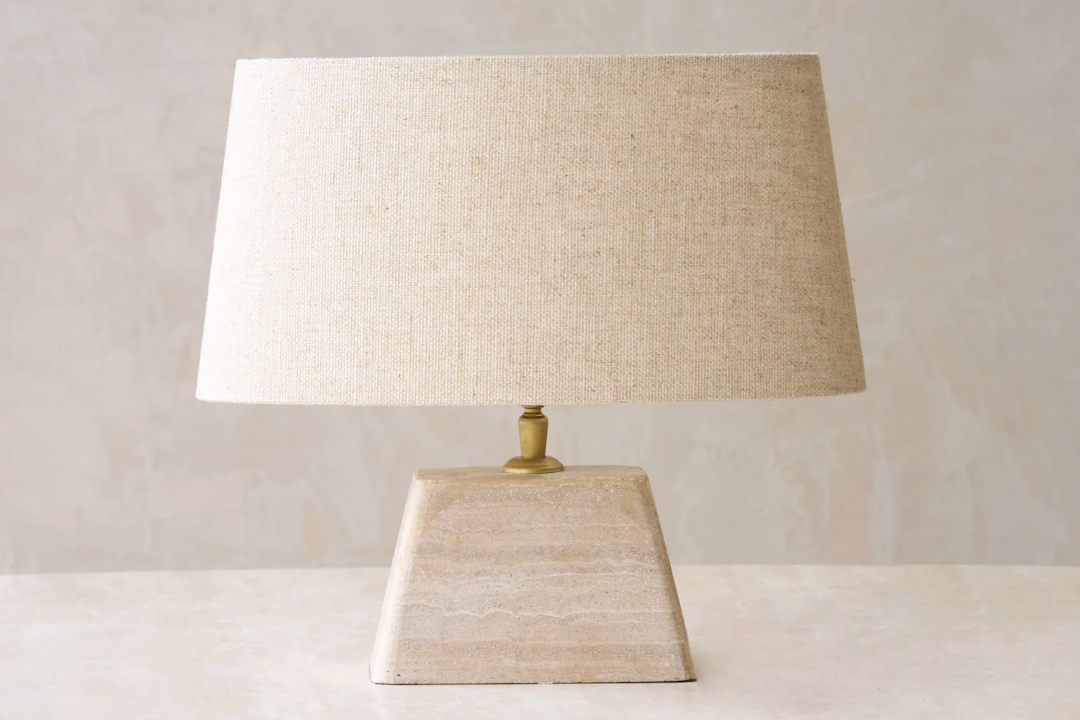
Travertine table lamps offer a touch of natural luxury that can really elevate a space. They’re more than just sources of light; they’re sculptural pieces that bring an organic, earthy feel indoors. Think of them as a quiet statement – substantial without being overwhelming, and inherently elegant thanks to the unique variations in the stone itself. If you’re looking to add a sophisticated, warm element to your home, a travertine lamp is definitely worth considering.
Before we dive into the lamps Dylonon, let’s briefly touch on what travertine actually is. It’s a type of limestone, more specifically, a terrestrial sedimentary rock formed by the precipitation of carbonate minerals from groundwater, typically found around hot springs. This process gives it its characteristic porous texture and unique banding patterns.
From Earth to Home
Because it’s a natural stone, no two pieces of travertine are exactly alike. This isn’t just a marketing slogan; it’s a fundamental truth. Each lamp will have its own individual veining, color variations, and small imperfections that tell a story of its geological journey. This individuality is a huge part of its appeal, offering a genuine sense of authenticity that manufactured materials often lack.
Distinctive Characteristics
Travertine’s color palette usually ranges from creamy beige to warm tan, sometimes with hints of gray or reddish-brown. This subdued, earthy spectrum makes it incredibly versatile, allowing it to blend seamlessly into a wide array of interior styles. The surface can be honed (matte), polished (shiny), or even left in its raw, tumbled state – each finish offering a different aesthetic and tactile experience.
Why Choose a Travertine Table Lamp?
Beyond its inherent beauty, there are several practical reasons why travertine lamps stand out. They offer a blend of durability, timelessness, and a unique aesthetic contribution that can be hard to match with other materials.
Durability and Longevity
Travertine is a robust material. While not as hard as granite, it’s certainly built to last. A well-made travertine lamp, properly cared for, can easily become a generational piece. It resists minor bumps and scratches better than many fragile materials, making it a sensible choice for everyday use in various settings.
Timeless Appeal
Trends come and go, but natural stone, especially in its more understated forms, tends to endure. Travertine has been used in architecture and design for centuries – think Roman amphitheatres! Its classic character means it won’t feel dated in a few years, offering a solid return on your investment in terms of enduring style.
Unique Aesthetic Contribution
This is where travertine truly shines. Its porous nature creates a captivating texture, and the mineral deposits form intricate patterns. When light hits a travertine lamp, these textures and patterns can cast interesting shadows and create a soft, diffused glow that adds depth and warmth to a room. It adds an organic, almost sculptural element that can anchor a vignette or soften a contemporary space.
Design Considerations: Getting It Right
A travertine lamp isn’t just about the material; it’s also about its form, the associated shade, and how it fits into your existing decor. Thinking these through helps ensure it enhances, rather than clashes with, your space.
Form and Function
Travertine lamps come in various shapes. You’ll find simple cylindrical or rectangular bases, more complex sculptural forms, or even lamps where the shade itself is made of thinly-sliced travertine, allowing light to gently filter through the stone. Consider the overall scale of the lamp relative to its intended placement. A small bedside table might need a more petite lamp, while a large console table can handle something more substantial.
Shade Selection
The shade plays a crucial role in how a travertine lamp looks and performs.
Fabric Shades
Linen, silk, or cotton shades in neutral tones (off-white, cream, beige) are often a safe and beautiful choice. They complement the stone’s natural coloring and create a soft, inviting light. A light-colored shade helps maximize light output, while a darker one will create a more dramatic, focused downward light.
Travertine Shades
Some lamps feature shades crafted from very thin slices of travertine. This creates a truly unique lighting effect, as the light filters directly through the stone itself, highlighting its natural veining and producing a warm, amber glow. These are often more visually striking and act as a focal point.
Open Bulbs
For a very minimalist, architectural look, some travertine lamps are designed to showcase an exposed bulb, often a decorative LED or Edison bulb. This works well with simpler, geometric bases and aims for a clean, sculptural aesthetic, often providing less ambient light and more of a focused, artistic glow.
Integrating with Your Decor
Despite its distinctive look, travertine is surprisingly adaptable.
Complementing Modern Styles
In a minimalist or contemporary setting, a travertine lamp can introduce a much-needed organic touch, softening hard lines and adding warmth without disrupting a clean aesthetic. Its subtle texture and natural hues blend seamlessly with concrete, steel, and glass.
Enhancing Traditional and Classic Spaces
For more traditional interiors, travertine aligns perfectly with natural wood furniture, rich textiles, and classic architectural details. It echoes the historical use of stone in design and adds an element of refined elegance.
A Touch of Mediterranean or Earthy Style
Given its origins, travertine is a natural fit for Mediterranean, rustic, or earthy-inspired decor. It reinforces a connection to nature and a sense of timelessness, pairing beautifully with terracotta, woven textures, and warm color palettes.
Placement Pointers: Where to Shine
Thoughtful placement can truly elevate the impact of a travertine table lamp. It’s not just about filling a dark corner; it’s about creating balance, setting a mood, and adding visual interest.
Bedside Tables
A pair of travertine lamps on bedside tables can create a serene and sophisticated ambiance in a bedroom. The warm light emitted by the stone can be particularly comforting and conducive to relaxation. Ensure the lamp height is appropriate for reading; the bottom of the shade should be roughly eye-level when sitting up in bed.
Console or Side Tables
In living rooms, hallways, or entryways, a travertine lamp on a console or side table serves as both a functional light source and a decorative accent. It can anchor an artwork, define a vignette with books and decorative objects, and contribute to the overall layering of light within the space. Consider placing it where its unique texture can be appreciated up close.
Desks and Offices
While perhaps less common, a single, elegant travertine lamp on a desk can add a touch of refined professionalism. It can soften the often sterile environment of a home office and provide a focused, yet warm, task light. Opt for a dimmer switch to adjust the light intensity throughout the day.
As an Artistic Statement
Some travertine lamps are truly works of art in themselves. These might be larger, more sculptural pieces that don’t need to be paired with anything else. Think of them as standalone design elements, perhaps placed on a low credenza or a substantial pedestal, where their form and material can be admired from all angles.
Caring for Your Travertine
Maintaining the beauty of your travertine lamp is fairly straightforward, but because it’s a natural stone, it does require a bit more consideration than a metal or ceramic lamp.
Dusting and Cleaning
Regular dusting with a soft, dry cloth is sufficient for daily maintenance. For deeper cleaning, use a damp cloth with plain water. Avoid harsh chemical cleaners, abrasive sponges, or acidic solutions (like vinegar), as these can etch or stain the stone. If it’s a polished finish, you want to be particularly careful not to scratch it.
Sealing (If Applicable)
Some travertine lamps may come sealed from the manufacturer, especially if they have a honed or raw finish. Sealing helps protect the porous stone from stains. If you’re unsure if yours is sealed, you can test a small, inconspicuous area by dropping a tiny bit of water on it. If the water beads up, it’s sealed. If it soaks in, it might benefit from a stone sealer application. This isn’t usually a frequent task for a lamp, but something to be aware of if heavy staining becomes an issue.
Avoiding Stains
Travertine is prone to staining from liquids, especially oils, coffee, wine, or anything acidic. If a spill occurs, wipe it up immediately. Don’t let liquids sit on the stone for long periods. If a stain does occur, consult a stone cleaning specialist or use a pH-neutral stone cleaner designed for travertine.
Handling with Care
While durable, travertine can chip or crack if subjected to heavy impacts or dropped. Always lift the lamp by its base, rather than the shade or the electrical cord, when moving it. Be mindful of placing it in high-traffic areas where it might be easily knocked over.
Travertine table lamps offer a compelling proposition for anyone looking to add a layer of sophistication and organic warmth to their interior. From their unique geological origins to their versatile aesthetic and enduring quality, they stand out as pieces that are both practical and profoundly beautiful. By understanding their characteristics, considering their placement, and giving them a bit of thoughtful care, you can ensure your travertine lamp contributes to the natural luxury of your home for many years to come.