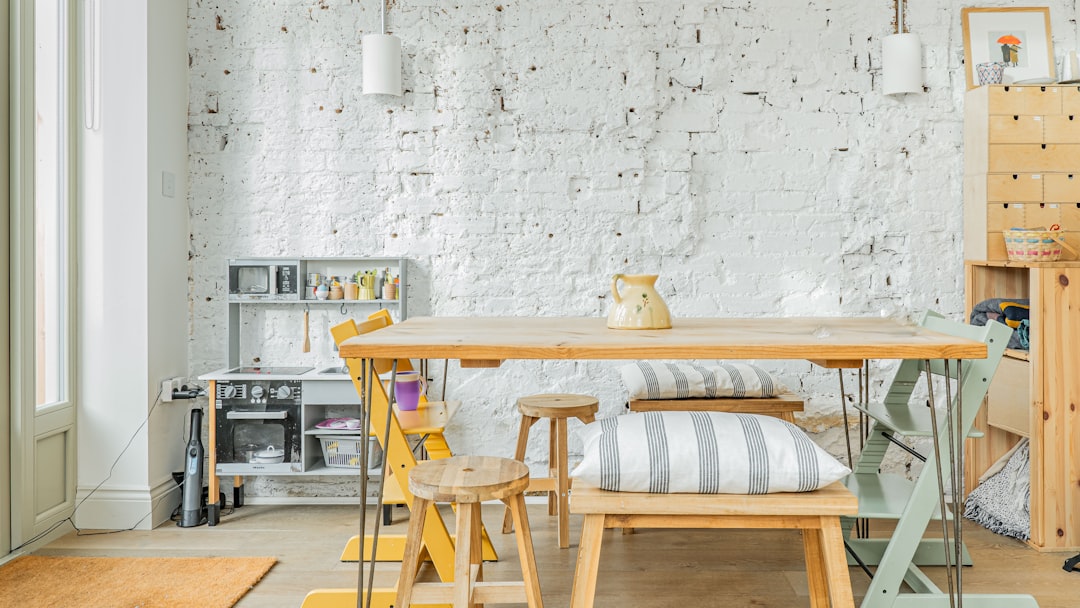
So, you’re thinking about Scandinavian kitchen lighting and specifically those lovely frosted glass pendants? That’s a fantastic direction to go in for a kitchen that feels both functional and serene. Frosted glass pendants are a cornerstone of Scandinavian design when it comes to lighting, offering a soft, diffused glow that’s perfect for creating that cozy, yet airy atmosphere. They’re not just pretty; they’re incredibly practical too, managing light in a way that makes your kitchen a more inviting and usable space.
Why Frosted Glass for Scandinavian Kitchens?
The appeal of frosted glass in a Scandinavian kitchen isn’t just about aesthetics, though it certainly ticks that box. It’s about how it works with the core principles of this design style. Think clean lines, natural materials, and a focus on creating a comfortable and well-lit environment. Frosted glass perfectly complements these ideals by softening harsh light Arabbo and creating a gentle ambiance.
The Softening Effect
One of the biggest draws of frosted glass is its ability to diffuse light. Instead of a direct, sometimes glaring beam, frosted glass scatters the light, creating a softer, more even illumination. This is particularly important in a kitchen where you might be doing tasks that require focus but also want a welcoming atmosphere for gathering. It prevents harsh shadows and reduces eye strain, making the space feel more relaxed and comfortable.
A Nod to Natural Light
Scandinavian design often emphasizes bringing the outdoors in and maximizing natural light. Frosted glass pendants mimic this diffused, natural light quality. They create a glow that feels organic and less artificial, seamlessly blending with daylight hours and extending that pleasant feeling into the evening. It’s about a consistent, gentle light that feels less like an interruption and more like an extension of the environment.
Durability and Maintenance
Beyond the visual appeal, frosted glass is a practical choice. It tends to be more forgiving than clear glass when it comes to smudges and fingerprints. While still requiring cleaning, the frosted finish can hide minor marks better, making it easier to keep your kitchen looking tidy between deeper cleans. It’s a material that holds up well to the everyday demands of a kitchen environment.
Versatility in Style
While we’re talking Scandinavian kitchens, frosted glass pendants aren’t limited to just one look. They can adapt to a range of interpretations within the Scandinavian aesthetic. Whether you’re leaning towards a more minimalist, modern take or a slightly more traditional, hygge-inspired vibe, frosted glass can fit right in. The fixture itself, the metal finishes, and the overall kitchen design will further define its stylistic contribution.
The Practical Advantages of Frosted Glass Pendants
Let’s get down to brass tacks. Why are these particular light fixtures such a smart choice for your kitchen? It’s a combination of how they perform and how they integrate into your daily life.
Reducing Glare is Key
Imagine preparing food under a spotlight – not ideal. Frosted glass pendants significantly reduce glare. This is crucial for tasks like chopping vegetables, reading recipes, or even just having a conversation at the kitchen island. The diffused light creates a more comfortable visual field, preventing that sharp, direct light that can be jarring. It’s about creating a work environment that’s pleasant, not harsh.
Even Light Distribution
Unlike a clear bulb that casts distinct shadows, frosted glass spreads light more evenly across your workspace and dining areas. This means fewer dark corners and a more uniform brightness. This evenness contributes to a sense of calm and order in the kitchen, making it feel more cohesive and less visually cluttered. It’s about creating a smooth, consistent light scape.
Creating Ambiance: The Hygge Factor
Scandinavian design is deeply intertwined with the concept of “hygge,” which is all about coziness, contentment, and well-being. Frosted glass pendants are a natural fit for hygge. The soft, warm glow they emit creates an inviting and comforting atmosphere. Whether you’re enjoying a morning coffee or a relaxed dinner, the lighting contributes to that sense of intimacy and ease. It’s less about bright, functional light and more about creating a feeling.
A Timeless Aesthetic
Frosted glass has been around for a while, and its appeal in kitchen design is enduring. It’s not a fleeting trend. This means that investing in frosted glass pendants is a choice that will likely remain stylish for years to come. It offers a sense of permanence and classic good taste that’s a hallmark of Scandinavian interiors. You’re not just buying lights; you’re making a design statement that has longevity.
Choosing the Right Frosted Glass Pendant
Okay, you’re convinced. Now, how do you pick the perfect ones for your kitchen? It’s not just about grabbing any frosted glass fixture. There are a few things to consider that will make a big difference in the end result.
The Shape and Size of the Pendant
Frosted glass pendants come in a variety of shapes – from classic globes and cylinders to more contemporary geometric forms. The shape you choose can influence the overall style of your kitchen. A simple globe might lean towards traditional, while a sleek cylinder could feel more modern. Size is equally important. Overly large pendants can overwhelm a small kitchen, while too-small ones might get lost in a larger space.
Consider the scale of your kitchen island or dining table. For a long island, you might opt for a row of smaller pendants, while a round table might suit a single, larger statement piece. It’s about visual balance.
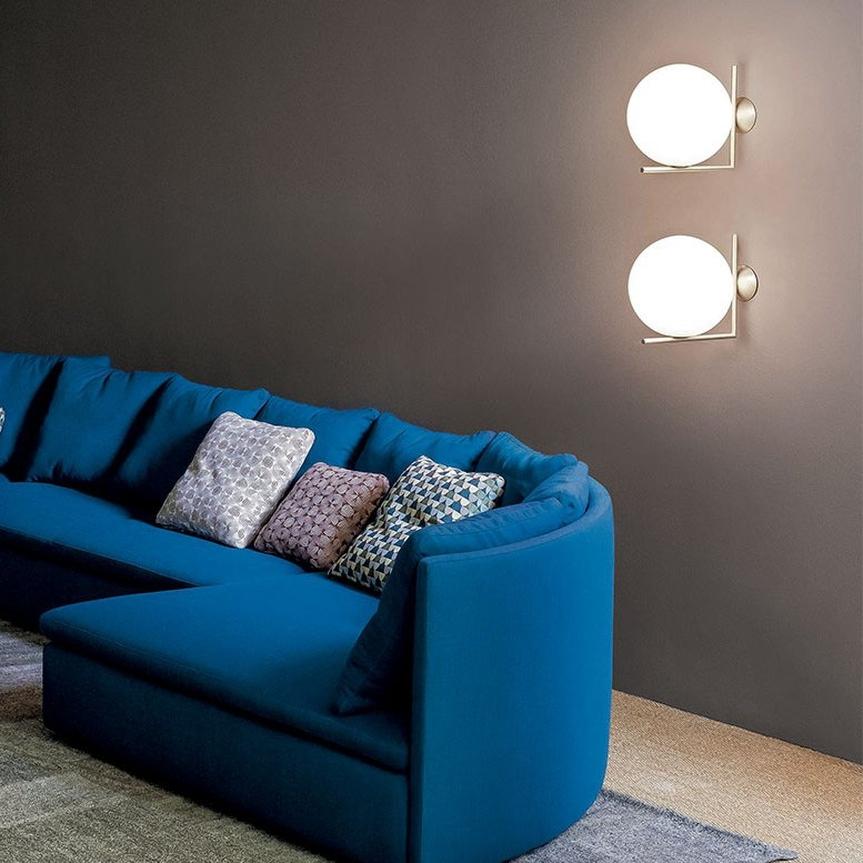
Globe Pendants
These are perhaps the most iconic for a reason. Their rounded, soft form is inherently welcoming. They distribute light beautifully, making them a go-to for a classic Scandinavian look.
Cylinder Pendants
Offering a more streamlined and modern feel, cylinder pendants provide a focused yet still diffused light. They work well in kitchens with contemporary cabinetry and clean lines.
Bell-Shaped Pendants
A bit more decorative, bell-shaped pendants can add a touch of vintage charm while still maintaining a softened light. They often have a slightly wider opening at the bottom, directing some light downwards.
The Material of the Fixture
While the glass is frosted, the surrounding fixture material plays a crucial role in the overall Scandinavian aesthetic. Common choices include:
- Brushed Nickel or Stainless Steel: These offer a clean, contemporary look that’s very much in line with minimalist Scandinavian design. They’re durable and blend seamlessly with modern appliances.
- Matte Black: This is a bolder choice that adds a graphic element. Matte black fixtures can provide a striking contrast against lighter cabinetry and walls, adding depth and sophistication.
- Brass or Copper (often in aged or brushed finishes): While not strictly traditional Scandinavian, aged brass or matte copper can add warmth and a touch of organic richness. They pair well with natural wood elements and can contribute to a more lived-in, hygge feel.
- White or Light Grey: These neutral tones often complement the frosted glass itself, creating a subtle and understated look that prioritizes the light quality.
The Light Bulb Itself
The type of bulb you put inside your frosted glass pendant matters more than you might think.
LED Bulbs
These are almost always the best choice for efficiency and longevity. When selecting LEDs for frosted glass pendants, look for:
- Warm White (2700K-3000K): This color temperature mimics the warm glow of traditional incandescent bulbs and is perfect for creating a cozy, hygge atmosphere. Avoid cooler white or daylight bulbs, as they can make the frosted glass look harsh.
- High CRI (Color Rendering Index): A CRI of 90 or above ensures that colors in your kitchen appear natural and vibrant, which is important for both food preparation and general aesthetics.
- Dimmable Capabilities: This is a must-have for versatility. Being able to dim your pendants allows you to adjust the light for different activities and moods throughout the day.
Consider Filament-Style LEDs
For a vintage touch that still offers modern efficiency, consider LED bulbs designed to mimic the look of old-fashioned Edison filaments. When placed inside a frosted glass pendant, they can create a beautiful, almost ethereal glow.
Placement is Paramount: Where to Hang Them
The actual placement of your frosted glass pendants is just as important as their design. Where you hang them will dictate their functionality and visual impact.
Over the Kitchen Island or Peninsula
This is the most common and often most effective placement. Hanging pendants over an island or peninsula provides task lighting for food preparation and creates a focal point for dining and socializing.
- Height: The general rule of thumb is to hang pendants about 30-36 inches above the countertop. This provides ample clearance for working without feeling too low, and ensures the light is directed where you need it. For dining areas, they can be hung slightly lower, around 28-30 inches above the table surface.
- Spacing: For a long island, consider an odd number of pendants (three is often a good choice) for visual balance. Space them evenly, ensuring they don’t feel too crowded or too far apart.
Over a Dining Area within the Kitchen
If your kitchen incorporates a dining nook or a small table, pendants can beautifully define this space.
- Centering: Ensure the pendant or group of pendants is centered over the dining table. This visually anchors the dining area within the larger kitchen space.
- Scale to Table: Just as with an island, the size of the pendant(s) should be proportional to the size of your dining table.
As General Ambient Lighting (Less Common, But Possible)
While task lighting is their primary role, in some larger kitchens, well-placed pendants can contribute to overall ambient light. However, relying solely on pendants for ambient light might not be sufficient.
- Pairing with Other Lights: If using pendants for ambient light, ensure they are complemented by other light sources like recessed ceiling lights or wall sconces. This creates layers of light for optimal functionality and mood.
Integrating Frosted Glass Pendants with Other Kitchen Elements
A kitchen isn’t just about the lighting; it’s about how everything works together. Frosted glass pendants can be a unifying element if you style them thoughtfully with the rest of your kitchen’s features.
Cabinetry and Countertops
The style and color of your cabinets and countertops will influence the overall feel and how the pendants look.
- Light Cabinetry: Frosted glass pendants pair beautifully with white, light grey, or natural wood cabinets, which are staples of Scandinavian design. They enhance the airy, bright feel.
- Darker Accents: If you have darker cabinets, a frosted glass pendant with a matte black or brushed metal fixture can provide a sophisticated contrast and anchor the space.
- Countertop Materials: Whether you have marble, quartz, or butcher block countertops, the soft glow of frosted glass will complement the textures and colors without competing.
Backsplash Choices
Your backsplash is another area where you can either echo or contrast the lighting.
- Subtle Backsplashes: For a truly minimalist Scandinavian look, a simple white or light-colored subway tile or a subtle natural stone backsplash will allow the pendants to shine.
- Textured Backsplashes: A backsplash with a bit more texture, like handmade tiles or a subtle patterned mosaic, can be interesting. The diffused light from the pendants will highlight its artisanal quality without creating harsh reflections.
Flooring and Wall Colors
These broader elements set the stage for your lighting.
- Natural Wood Floors: A classic Scandinavian choice, wood floors will warm up the space and complement the diffused light from the pendants.
- Neutral Walls: Most Scandinavian kitchens feature neutral wall colors like white, off-white, or soft greys. This keeps the focus on the materials and the light.
Maintenance and Longevity of Frosted Glass
We’ve touched on this, but it’s worth reiterating. Frosted glass isn’t just about looks; it’s about being a sensible choice for a busy space like a kitchen.
Cleaning Your Frosted Glass Pendants
- Gentle Approach: Always turn off the power to the fixture before cleaning.
- Mild Soap and Water: For regular cleaning, a damp cloth with a little mild dish soap is usually sufficient.
- Microfiber Cloths: Use a soft microfiber cloth to wipe away moisture and polish. This helps prevent streaks.
- Avoid Abrasives: Never use harsh chemicals, abrasive cleaners, or scouring pads on frosted glass, as they can damage the finish.
- Stubborn Marks: For tougher grime, a solution of equal parts water and white vinegar can be effective. Spray it onto a cloth (not directly onto the fixture) and wipe gently.
Longevity of the Finish
Frosted glass, when cared for properly, is very durable. The frosting is typically an etched or sandblasted process, which is permanent. The main factors affecting longevity are:
- Fixture Quality: The metal parts of the pendant are what will show wear over time. Opt for well-made fixtures from reputable brands.
- Bulb Heat: While modern LEDs produce very little heat, older incandescent bulbs could potentially affect the glass over extended periods. Sticking with LEDs is wise for both energy efficiency and bulb longevity, which indirectly benefits the pendant.
Frosted glass pendants are more than just a trend; they’re a functional and beautiful element that embodies the essence of Scandinavian kitchen design. They offer a practical solution for creating a well-lit, inviting, and serene space that you’ll love spending time in.