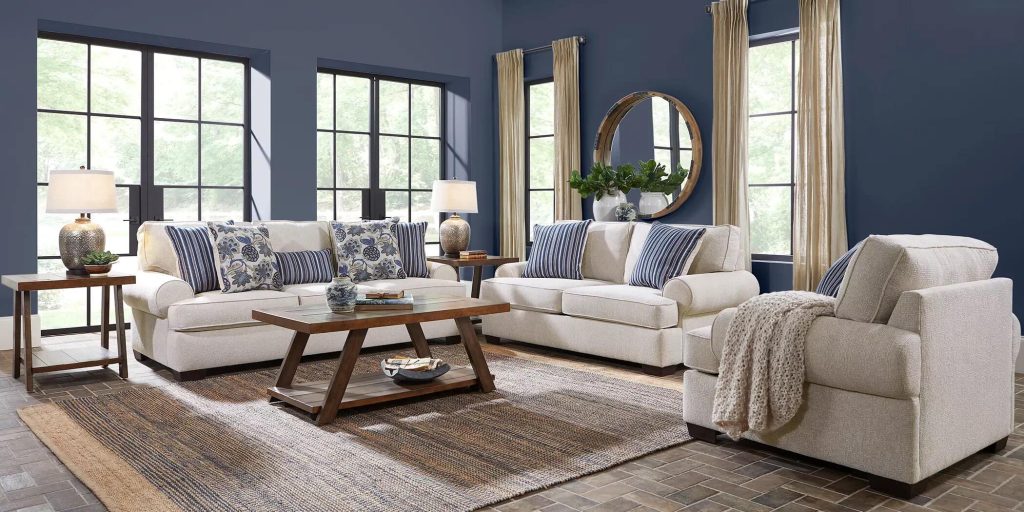
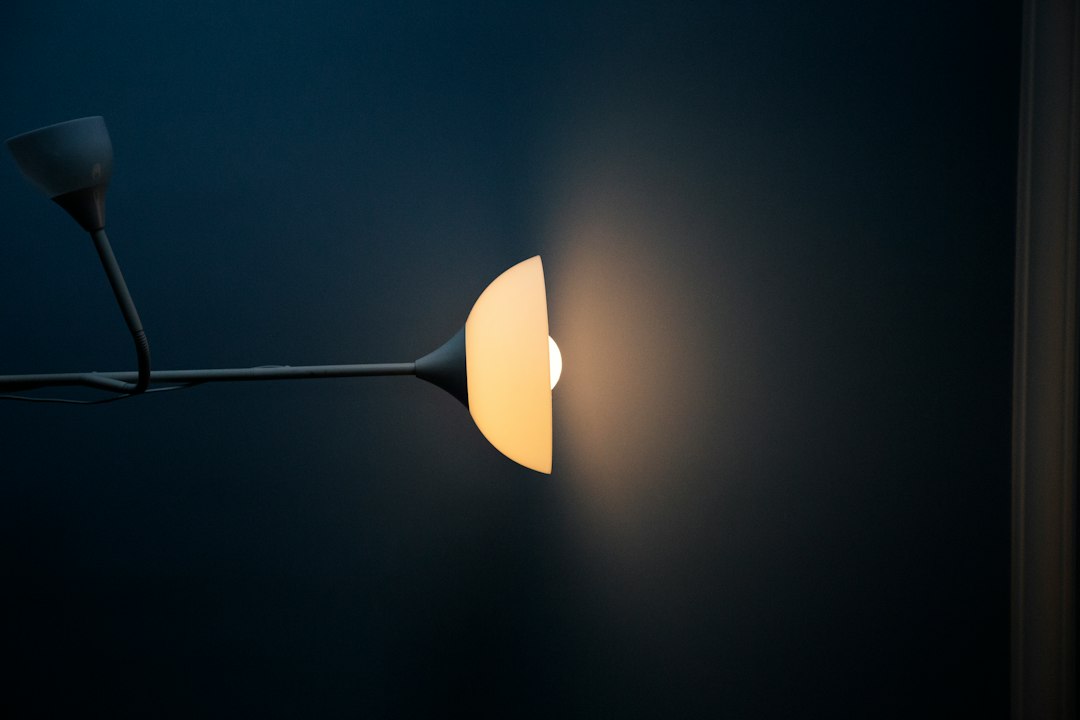
When you’re thinking about creating that perfect mid-century modern lounge vibe, lighting is a huge piece of the puzzle. And if there’s one lamp that really screams “mid-century cool” while being incredibly functional, it’s the walnut arc lamp. So, can a walnut arc lamp really elevate your mid-century lounge? Absolutely, and here’s why.
The mid-century modern aesthetic is all about clean lines, organic shapes, and the integration of natural materials. Walnut arc lamps hit all these marks. They emerged in the mid-20th century, a period that embraced both sculptural design and practical utility. The “arc” itself is a bold, sweeping gesture that adds drama and a sense of movement to a room, while the walnut provides that warm, earthy, and sophisticated touch that’s synonymous with the era. It’s not just a light source; it’s a statement piece.
The Sculptural Appeal of the Arc
Think about it: a long, often polished, curved arm extending from a sturdy base. It’s like a piece of functional sculpture. This wasn’t just about reaching over a sofa to provide light; it was about creating a visual anchor. The curves soften the often geometric nature of mid-century furniture, creating a more inviting and dynamic space.
The Warmth of Walnut
Walnut wood, with its rich, deep brown tones and distinctive grain patterns, was a go-to material for furniture and decor during the mid-century period. It offers a sense of groundedness and luxury without being ostentatious. When paired with the metallic finishes often found on arc lamp hardware (think brass or brushed nickel), the contrast is simply stunning.
Function Meets Form
Beyond its good looks, the arc lamp’s design was incredibly practical. It allowed for a single light source to illuminate a large area, often a seating group, without needing multiple floor or table lamps scattered around. This was especially valuable in open-plan living spaces, a hallmark of mid-century home design.
Design Variations: Finding Your Perfect Walnut Arc Lamp
Not all walnut arc lamps are created equal. The style and era within mid-century design offer a range of interpretations. Understanding these variations can help you pinpoint the exact look you’re going for.
The Classic “Boomerang” Arc
This is probably what most people picture when they hear “arc lamp.” It features a prominent, often sharply angled or smoothly curved arm that extends significantly. The base is usually a weighted, solid piece, often cylindrical or conical, made from marble, metal, or sometimes even a matching walnut. The shade can vary, from simple drum shapes to more elaborate globe or bell styles.
Shade Styles: From Minimalist to Dramatic
The shade plays a crucial role in the overall feel.
- Drum Shades: These offer a soft, diffused light and a clean, understated look.
- Globe Shades: Often made of frosted or opal glass, these provide a more ambient glow and a distinctly retro feel.
- Bell or Cone Shades: These can direct light more downward, making them ideal for reading, and often add a touch of elegance.
The “Swan Neck” or Gooseneck Arc
A slightly softer interpretation, the swan neck arc lamp features a more fluid, often S-shaped curve to its arm. This design can feel a bit more organic and less imposing, sometimes with a more delicate shade. It’s perfect if you want the arc lamp’s functionality without it dominating the space.
Material Combinations
While walnut is the star, other materials complement it beautifully.
- Walnut and Brass: A timeless pairing that exudes mid-century luxury. The warm wood against the gleam of brass is classic.
- Walnut and Chrome/Nickel: Offers a slightly cooler, more modern take, still firmly rooted in the mid-century palette.
- Walnut and Marble: Adds a touch of sophistication and weight, grounding the lamp effectively.
The “Adjustable” Arc Lamp
Some arc lamps go a step further with articulating arms or adjustable heights. This adds an extra layer of practicality, allowing you to fine-tune the light’s position and intensity for different activities. While not every original mid-century piece had this, many modern reproductions incorporate this feature.
Height and Reach Considerations
- Reach: How far does the arm extend? This is crucial for positioning over your seating.
- Height: Can the height be adjusted? This impacts where the light falls and how it interacts with your ceiling.
The Practicalities: Where to Place Your Walnut Arc Lamp
The beauty of an arc lamp is its versatility, but proper placement is key to maximizing its impact and functionality in your mid-century lounge.
The Sofa Companion
This is the classic arrangement. Position the arc lamp so its shade extends over the center of your sofa or a particular seating area. This provides task lighting for reading, conversation, or simply creating an inviting pool of light. The base of the lamp will typically sit to the side, away from the primary traffic flow.
Over the Coffee Table
Alternatively, you can position the arc lamp to hover over your coffee table. This can be a great option if your sofa is against a wall or if you prefer the light to be more central to the seating arrangement.
Accent Lighting for a Corner
Don’t underestimate the power of using an arc lamp to highlight a specific corner. If you have a particularly beautiful armchair, a plant, or a piece of art in a corner, an arc lamp can draw attention to it, creating a dramatic focal point and adding depth to the room.
Creating Ambiance
The warm glow of a walnut arc lamp can instantly create a cozy and inviting atmosphere. Dimming capabilities, if available, allow you to adjust the mood from functional task lighting to soft ambient illumination.
Balancing the Room
An arc lamp’s distinctive silhouette can help balance the visual weight of other furniture in the room. Its vertical presence can draw the eye upwards, preventing a room from feeling too grounded or heavy.
Materials and Craftsmanship: What to Look For
When you’re investing in a walnut arc lamp, the quality of the materials and the craftsmanship will significantly impact its longevity and aesthetic appeal.
Solid Walnut vs. Veneer
The “walnut” in a mid-century arc lamp can mean different things.
- Solid Walnut: This is the premium option. The entire arm and potentially the base are made from solid pieces of walnut. This offers the richest grain, the most durability, and the most authentic feel.
- Walnut Veneer: This involves a thin layer of walnut applied over a less expensive substrate, like particleboard or plywood. While it can look very similar, it’s less durable and the grain pattern might not be as consistent or deep. For many, especially with reproductions, a good quality veneer is perfectly acceptable and more budget-friendly.
Identifying Quality Walnut
- Grain Consistency: Look for flowing, unbroken grain patterns that run the length of the piece.
- Finish: A well-finished walnut should be smooth to the touch, with a deep, rich color that highlights the natural beauty of the wood. Avoid finishes that look plasticky or overly uniform.
Metal Components: Weight and Finish
The metal elements of an arc lamp are just as important.
- Weight: The base needs to be substantial enough to counterbalance the extended arm and the weight of the shade. A lightweight base is a red flag.
- Finish: Whether it’s polished brass, brushed nickel, or matte black, the finish should be consistent and free from scratches or imperfections. Original mid-century lamps often featured high-quality plating that has stood the test of time.
Types of Metal Finishes
- Brass: Can be polished (shiny) or brushed (matte). Polished brass can develop a patina over time, which some find desirable.
- Chrome: A bright, reflective finish.
- Nickel: Similar to chrome but often has a slightly warmer tone. Brushed nickel offers a more muted, contemporary look.
- Steel: Can be finished in various ways, from brushed to powder-coated.
Electrical Components and Safety
This is particularly important for vintage pieces or less reputable reproductions.
- Wiring: Check for any signs of wear, fraying, or old, brittle insulation. For safety, it’s often advisable to have older lamps rewired by a professional.
- Switching: Is the switch functional and conveniently located? Some lamps have in-line switches, while others have them on the lamp pole or near the shade.
- Bulb Type: Modern arc lamps will likely use standard E26 or E27 bulbs. Older lamps might have different sockets, so check compatibility.
Sourcing Your Walnut Arc Lamp: Vintage vs. Reproduction
The quest for the perfect walnut arc lamp often leads to a decision between hunting for a genuine vintage piece or opting for a modern reproduction. Both have their pros and cons.
The Thrill of the Hunt: Vintage Finds
Shopping vintage can be incredibly rewarding. You might unearth a piece with a unique history, unparalleled craftsmanship, and that authentic patina of age.
Where to Look for Vintage Lamps
- Antique Stores and Flea Markets: These are classic hunting grounds. Be prepared to sift through a lot, but the rewards can be significant.
- Online Marketplaces: Websites like eBay, Etsy, and dedicated vintage furniture sites can offer a wider selection, though you’ll need to be vigilant about condition and authenticity.
- Estate Sales: Often a treasure trove of well-preserved mid-century items.
What to Expect with Vintage
- Wear and Tear: Expect some signs of age. Dings, scratches, and faded finishes are part of the charm for many.
- Potential for Restoration: You might need to polish metals, clean wood, or even get the wiring updated. Factor this into your budget and expectations.
- Price Variation: The price can range wildly depending on brand, condition, rarity, and where you buy it.
The Convenience of Modern Reproductions
If the idea of hunting feels daunting, or if you prioritize guaranteed functionality and a pristine finish, a reproduction might be the better choice.
Benefits of Reproductions
- Guaranteed Functionality: They come with new wiring, switches, and are ready to use out of the box.
- Consistent Quality: You generally know what you’re getting in terms of materials and construction.
- Wider Availability: They are easier to find from furniture retailers and online stores.
- Modern Updates: Many reproductions incorporate features like dimmer switches or LED compatibility.
Reputable Brands and Designers
Look for well-known mid-century modern furniture brands or designers who are known for their reproductions. Companies that specialize in lighting often offer high-quality arc lamps that pay homage to the originals.
Balancing Authenticity and Practicality
Ultimately, the choice depends on your priorities. Do you crave the soul of a vintage piece, or do you need the reliability and ease of a new item? There’s no wrong answer, and both can achieve that desired mid-century lounge look.
Integrating Your Walnut Arc Lamp into Your Decor
Once you’ve found your perfect walnut arc lamp, the fun really begins: styling it within your existing mid-century lounge.
Complementing Your Color Palette
Walnut is a warm, neutral tone, making it incredibly adaptable.
- Earthy Tones: It pairs beautifully with greens, blues, oranges, and browns – colors frequently found in mid-century palettes.
- Neutrals: Against creams, grays, or whites, the walnut provides a rich contrast and visual interest.
Color Pairing Ideas
- Teal and Walnut: A classic mid-century combination that feels both sophisticated and inviting.
- Mustard Yellow and Walnut: Adds a pop of vibrant energy.
- Olive Green and Walnut: Creates a grounded, natural feel.
Working with Other Furniture Materials
The walnut in your arc lamp will look fantastic alongside other mid-century staples.
- Teak or Rosewood Furniture: The warmth of walnut complements these other beloved mid-century woods perfectly.
- Leather Upholstery: A walnut arc lamp and a leather sofa or armchair are a match made in heaven.
- Textiles: Think textured throws, patterned cushions, and rugs with geometric or abstract designs. The lamp’s clean lines will provide a visual anchor.
Texture Play
Don’t be afraid to mix textures. The smooth wood and metal of the lamp can be balanced by the softness of velvet, the roughness of boucle, or the natural fibers of a jute rug.
Lighting Layering: The Arc Lamp’s Role
A walnut arc lamp is usually a significant piece, but it’s rarely the only light source.
- Ambient Lighting: This is your general room light, perhaps from ceiling fixtures or softer lamps.
- Task Lighting: This is where your arc lamp often shines, providing focused light for activities.
- Accent Lighting: Smaller lamps or spotlights that highlight artwork or architectural features.
Creating Depth and Mood
By combining these different types of lighting, you can create a layered effect that adds depth, mood, and functionality to your lounge. The arc lamp, with its ability to reach over seating, is a prime candidate for providing essential task and mood lighting.
Scale and Proportion
Pay attention to the size of your arc lamp in relation to your other furniture and the room dimensions.
- Room Size: A very large, sweeping arc lamp might overwhelm a small room. Conversely, a too-small lamp can get lost in a large space.
- Seating Height: Ensure the shade of the arc lamp will hang at a comfortable height above your sofa or chairs for optimal light and to avoid glare.
By considering these points, your walnut arc lamp won’t just be a piece of furniture; it will be a thoughtfully integrated element that truly defines your mid-century lounge.