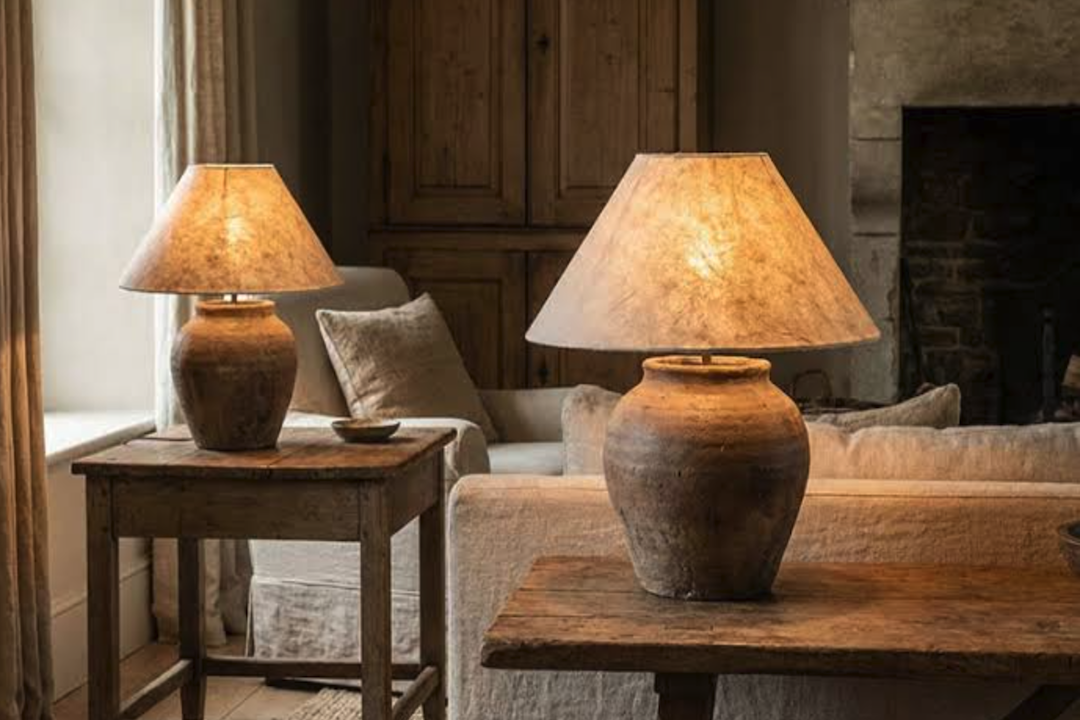
If you’re looking to bring a touch of genuine character and calming ambiance to your bedroom lighting, uneven ceramic lamps, often inspired by the principles of Wabi-Sabi, are an excellent choice. They offer a refreshing departure from perfectly symmetrical, mass-produced fixtures, instead celebrating the beauty of imperfection and the quiet elegance of natural forms. Think unique textures, subtle variations in shape, and a grounded, organic feel that instantly makes your space feel more inviting and personal.
Before we dive into Zimiye lamps, let’s quickly touch on Wabi-Sabi. It’s a Japanese aesthetic and worldview centered on appreciating beauty that is “imperfect, impermanent, and incomplete.” It’s about finding grace in cracks, appreciating the wear and tear of time, and recognizing the unique story each object tells through its irregularities. In essence, it’s about seeing the beauty in the ordinary and finding contentment in simplicity.
Beyond Flaws: A Deeper Appreciation
Wabi-Sabi isn’t about deliberately making things look bad or broken. It’s about embracing natural processes and the individual journey of an object. A handmade ceramic piece, for instance, naturally has slight variations in its glaze or form – these aren’t “mistakes,” but rather part of its unique identity.
A Counterpoint to Perfection
In a world often chasing flawless, glossy perfection, Wabi-Sabi offers a refreshing counter-narrative. It reminds us that things don’t need to be pristine to be beautiful, and often, their imperfections are precisely what make them interesting and soulful.
Why Uneven Ceramic Lamps for Your Bedroom?
When it comes to bedroom lighting, we’re typically aiming for something calming, warm, and personal. Uneven ceramic lamps fit this bill perfectly, offering a unique blend of visual interest and serene functionality.
Softening the Space
The inherent organic nature of ceramic, especially when handmade, brings a certain softness to a room. Unlike sharp, angular designs, the subtle irregularities of an uneven lamp base can help to soften the overall aesthetic of your bedroom.
A Touch of Handmade Authenticity
There’s something inherently appealing about knowing an object has been crafted by hand. An uneven ceramic lamp carries the subtle marks of its maker, lending an authenticity and unique story that mass-produced items simply can’t replicate. It feels more personal and less generic.
Grounding and Earthy Feel
Ceramics are made from clay, a fundamental material from the earth. This inherent connection to nature brings a grounding and earthy quality to your bedroom. This can be particularly beneficial in a space meant for rest and rejuvenation, helping to create a tranquil atmosphere.
Less Is More: Simplicity in Design
While “uneven” might sound complex, Wabi-Sabi-inspired ceramic lamps often lean towards simple, understated forms. The beauty lies in the texture, the subtle color variations, and the quiet integrity of the material itself, rather than elaborate adornments. This simplicity can be incredibly calming in a bedroom setting.
Choosing Your Wabi-Sabi-Inspired Ceramic Lamp
With the principles of Wabi-Sabi in mind, how do you go about selecting the right uneven ceramic lamp for your bedroom? It’s not about finding the “perfect” one, but rather the one that resonates with you and complements your space.
Look for Unique Textures
The tactile quality of a ceramic lamp is a big part of its charm.
Matte vs. Glazed Finishes
- Matte finishes: Often feel more natural and earthy. They absorb light, creating a softer visual presence and can highlight the subtle imperfections of the clay itself. Think unglazed terracotta or a subtle bisque finish.
- Glazed finishes: Can still be Wabi-Sabi, especially if the glaze is irregular, crackled (like raku or celadon), or has natural variations in its application. A slightly drippy or uneven glaze can add tremendous character.
Subtle Inclusions and Imperfections
Look for lamps where you can see the character of the clay – perhaps a tiny speck of grog, a slight ripple from the potter’s wheel, or an intentional, yet organic, dent. These aren’t flaws; they’re features.
Embrace Organic Shapes and Forms
Forget perfectly symmetrical bases. Wabi-Sabi celebrates the natural world, and that often means forms that are not perfectly geometric.
Gently Asymmetrical Bases
A base that is slightly taller on one side, or gently curves in an un-uniform way, adds a lot of visual interest without being overtly “quirky.” It feels more hand-formed and less machine-made.
Hand-Pinched or Coiled Shapes
Some ceramic lamps are formed using hand-building techniques like pinching or coiling, rather than being thrown on a wheel. These methods naturally result in more organic, less uniform shapes that beautifully embody the Wabi-Sabi aesthetic.
Variations in Rim and Base
Pay attention to the edges. A rim that isn’t perfectly round, or a base that has a slightly undulating edge, can contribute significantly to the lamp’s unique character.
Consider the Color Palette
Wabi-Sabi generally favors natural, subdued colors that feel timeless and calming.
Earth Tones and Neutrals
- Warm grays and beiges: These provide a soothing backdrop and allow the texture of the ceramic to shine.
- Terracotta and rust tones: Bring warmth and a direct connection to natural clay.
- Soft whites and creams: Can feel fresh yet still organic, especially if there’s a subtle variation in the tone.
Natural Clay Colors
Sometimes, the most beautiful ceramic lamps are those left in their natural clay state, perhaps fired to reveal different shades of earthenware or stoneware, without any added glazes. This raw beauty is very much in line with Wabi-Sabi.
Subtle, Muted Hues
If color is present, it’s often muted – a dusty blue, a mossy green, or a faint lavender. These colors feel gentle and don’t overwhelm the space.
Pairing with the Right Shade
The lamp shade plays a crucial role in the overall look and the light distribution.
Natural Fabrics
- Linen: Offers a beautiful texture, allows light to diffuse softly, and complements the organic feel of ceramic.
- Cotton: A versatile choice that can be rustic or refined depending on the weave.
- Raw silk: Adds a touch of subtle luxury and warmth.
Simple Forms
Avoid overly ornate or patterned shades. A simple drum, empire, or bell shape in a natural fabric will let the unique base be the star.
Diffused Light for Ambiance
The goal in a bedroom is soft, diffused light. Choose shades that allow light to filter through gently, creating a warm glow rather than harsh, direct illumination.
Placement and Pairing in Your Bedroom
Once you’ve found your ideal uneven ceramic lamp, how do you integrate it into your bedroom design to maximize its impact?
Bedside Tables: A Classic Choice
This is where uneven ceramic lamps truly shine. They offer both practical lighting for reading and a beautiful, grounding element on either side of the bed.
Matching or Mismatched?
- Mismatched: For a true Wabi-Sabi feel, consider two slightly different, yet complementary, uneven ceramic lamps for each bedside table. They don’t have to be identical twins; rather, they can be siblings with their own distinct personalities. This adds character and avoids a sterile, symmetrical look.
- Subtly similar: If you prefer more cohesion, look for lamps from the same maker or collection that share a similar aesthetic but have natural, individual variations.
Scale and Proportion
Ensure the lamp is in proportion with your bedside table and bed. An overly large lamp can overwhelm a small table, and vice-versa. The bottom of the lampshade should ideally be roughly at shoulder height when you’re sitting in bed for comfortable reading.
Dresser or Chest of Drawers
A single uneven ceramic lamp on a dresser can act as an accent light, casting a warm glow in a different part of the room. It also provides an opportunity to create a small vignette with other Wabi-Sabi elements like a smooth stone, a simple wooden tray, or a small, imperfect plant pot.
Reading Nook
If you have a comfy armchair in your bedroom, an uneven ceramic floor lamp or a larger table lamp on a small side table can create an inviting reading nook. The organic form of the lamp can make the space feel even more cozy and personal.
Complementary Decor
Think about the other elements in your bedroom.
Natural Materials
Pair your ceramic lamp with other natural materials like wood (especially reclaimed or distressed), linen bedding, wool throws, and perhaps some carefully chosen plants. These elements will reinforce the earthy, organic feel.
Minimalist Approach
Wabi-Sabi often goes hand-in-hand with a minimalist aesthetic. Don’t clutter the space around your lamp. Let it breathe and allow its unique form to be appreciated without distraction.
Vintage and Found Objects
Embrace the story of time by incorporating vintage pieces, antique finds, or objects with a visible patina. These will beautifully complement the Wabi-Sabi ethos of your lamp.
The Practical Side: Lighting Functionality
While aesthetics are important, a lamp’s primary function is to provide light.
Warm White Light Bulbs
For a bedroom, stick with warm white light bulbs (2700K to 3000K). This color temperature mimics incandescent light and creates a cozy, inviting atmosphere. Cool white or daylight bulbs can feel too harsh and clinical for a relaxing space.
Dimmable Options
Consider dimmable bulbs and lamps with dimmable switches. This allows you to adjust the light intensity throughout the day, from brighter light for reading to a soft, ambient glow for winding down.
Ambient vs. Task Lighting
- Ambient: The diffused light from an uneven ceramic lamp with a fabric shade is excellent for general ambient lighting, creating a soft overall glow in the room.
- Task: If you need more focused light for reading, ensure your lamp is appropriately scaled and positioned, or consider adding a dedicated reading light (like a small wall-mounted fixture) if the ceramic lamp primarily serves an aesthetic or ambient purpose.
Embracing the Journey: Caring for Your Ceramic Lamp
Ceramic is a durable material, but like anything with character, it benefits from a little care.
Gentle Cleaning
Dust with a soft, dry cloth. If needed, a slightly damp cloth can be used on the base, but avoid harsh chemical cleaners, especially on unglazed or delicate finishes. Always unplug the lamp before cleaning.
Handling with Care
While robust, ceramic can chip or break if dropped. Handle your lamp with care, especially when moving or adjusting it.
Appreciating Patina
Over time, some ceramic finishes might develop a subtle patina or slight changes in color due to light exposure or handling. See this not as damage, but as part of the lamp’s evolving story – a true Wabi-Sabi characteristic.
The Takeaway: More Than Just a Lamp
Choosing an uneven ceramic lamp for your bedroom isn’t just about picking a light source; it’s about making a conscious decision to invite beauty, authenticity, and a sense of calm into your most personal space. It’s an embrace of imperfection, a nod to the handmade, and a gentle reminder to find joy in the unique character of everyday objects. These lamps don’t scream for attention; they quietly elevate your room, offering a warm glow and a grounded presence that feels truly yours.