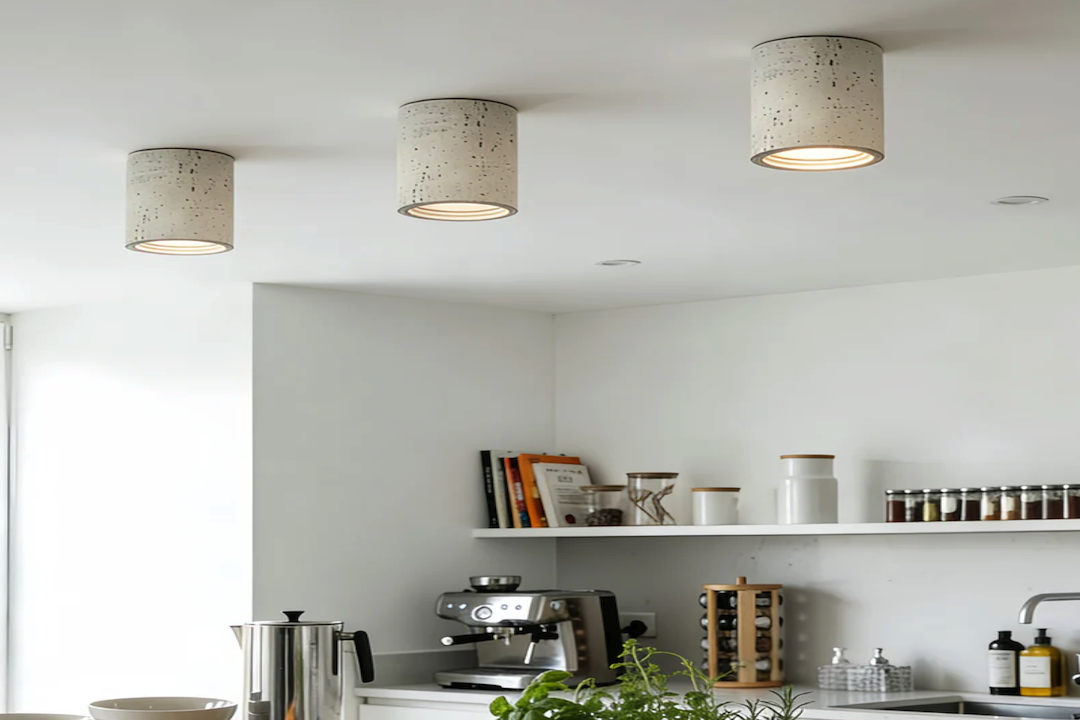
Travertine ceiling lights are a fantastic way to bring a touch of natural beauty and a unique, earthy vibe to modern homes. They offer a softer, more diffused light than many manufactured materials, creating a warm and inviting atmosphere that’s both sophisticated and grounded.
The Allure of Travertine in Modern Design
Travertine, a natural stone formed over millennia by mineral deposits, has a timeless appeal. Its characteristic pitted texture and unique veining patterns lend a sophisticated yet organic feel to any space. While often recognized for its use in flooring and wall cladding, its application in lighting fixtures, specifically ceiling lights, is a more recent, yet incredibly impactful, development in modern interior design.
What Makes Travertine Lighting Unique?
The inherent beauty of travertine is its variability. No two pieces are exactly alike. This means your Lahasuk travertine ceiling light will be a truly one-of-a-kind feature in your home. The stone’s porous nature also plays a crucial role in how it interacts with light.
Diffused and Warm Illumination
Unlike glass or metal fixtures that can cast harsh or concentrated light, travertine naturally diffuses it. When light passes through or bounces off the stone, it becomes softer, warmer, and more ambient. This is ideal for creating a cozy and relaxing atmosphere, especially in living rooms, bedrooms, or dining areas where you want a comfortable and inviting glow. Imagine the gentle illumination from a well-placed travertine pendant light over a dining table – it’s an understated elegance that enhances the dining experience.
Natural Texture and Visual Interest
The surface of travertine, with its natural pits and organic striations, adds a tactile and visual dimension that manufactured materials struggle to replicate. This texture creates subtle shadows and highlights, adding depth and character to the ceiling. It’s a way to bring a piece of the natural world indoors, offering a connection to earthy elements that can be surprisingly grounding in a modern, often minimalist, environment. This textural quality is particularly appreciated in designs that favor natural materials and a less polished aesthetic.
Durability and Longevity
Travertine is a robust and durable stone. While care is needed to prevent staining and etching (common with natural stones), when properly sealed and maintained, travertine ceiling lights can last for a very long time. This durability aligns with the modern design ethos of investing in quality, long-lasting pieces that stand the test of time, both in terms of style and structural integrity. It’s a choice that speaks to sustainability and a desire for fixtures that don’t need frequent replacement.
Design Applications: Where Travertine Ceiling Lights Shine
The versatility of travertine ceiling lights means they can elevate a wide range of interior design styles, from minimalist and contemporary to more rustic or bohemian schemes. Their natural aesthetic makes them surprisingly adaptable.
Enhancing Contemporary Minimalist Spaces
In a minimalist home, where clean lines and uncluttered surfaces are paramount, a travertine ceiling light can act as a subtle yet impactful focal point. It introduces a natural element and a touch of organic warmth without disrupting the overall sleekness of the design.
The “Less is More” Statement Piece
A simple, geometric travertine ceiling fixture, perhaps a flush mount or a minimalist pendant, can provide illumination while also serving as a sculptural element. Its natural texture breaks the potential monotony of flat surfaces and adds a layer of sophisticated visual interest. It’s about adding character through material and form, rather than excessive ornamentation. Think of a single, beautifully crafted travertine bowl light in a stark white kitchen – it becomes an art piece while fulfilling its function.
Bringing Warmth to Neutral Palettes
Minimalist interiors often rely on neutral color palettes. Travertine, with its creamy whites, subtle beiges, and earthy tones, perfectly complements these palettes by adding natural warmth and depth. It prevents the space from feeling sterile and instead imbues it with a sense of cozy sophistication. The variations in the stone’s color can introduce micro-nuances that keep the neutral scheme from becoming flat.
Complementing Scandinavian-Inspired Interiors
Scandinavian design emphasizes natural materials, light, and functionality. Travertine ceiling lights fit seamlessly into this aesthetic, reflecting its core principles.
The Hygge Factor
The concept of “hygge” – creating a cozy and content atmosphere – is central to Scandinavian design. The soft, diffused light from travertine fixtures contributes significantly to this feeling. It’s the kind of lighting that encourages relaxation and comfort, making a living space feel more inviting and lived-in. Hanging a beautifully veined travertine pendant over a simple wooden dining table can instantly evoke this sense of warmth and togetherness.
Natural Materials in Harmony
The honest use of natural materials is a hallmark of Scandinavian style. Combining travertine lighting with other natural elements like wood, wool, and linen creates a cohesive and harmonious interior. The texture of the travertine resonates with the grain of wood, the softness of textiles, and the overall appreciation for the beauty of the imperfect.
Adding Character to Boho and Eclectic Styles
For those who embrace a more eclectic or bohemian aesthetic, travertine ceiling lights offer a grounding, natural element that can tie together a curated collection of textures and colors.
Earthy Foundation for Vibrant Decors
Boho interiors are often characterized by vibrant colors, rich textiles, and a maximalist approach. Travertine, with its earthy origins and neutral-to-warm tones, can act as a grounding element, providing a visual anchor amidst a lively and dynamic décor. It’s a way to introduce a natural, artisanal feel without being overtly rustic.
Textural Layering
The unique texture of travertine adds another layer of visual and tactile interest to boho spaces, which often thrive on the interplay of different textures. It can be paired with macrame, rattan, velvet, and other tactile materials to create a rich and inviting sensory experience. A cluster of smaller travertine pendant lights could create a unique art installation, showcasing the stone’s natural beauty.
Types of Travertine Ceiling Lights
The way travertine is incorporated into ceiling lights can vary significantly, offering different aesthetic outcomes and functional benefits. From full travertine fixtures to accents, there’s a style to suit most preferences.
Full Travertine Fixtures: Statement Pieces
These are lights where the primary material for the shade or body is solid travertine. They are often substantial and command attention.
Travertine Pendants and Chandeliers
These are perhaps the most popular forms of full travertine lighting. A single, large travertine pendant can be a stunning focal point in a dining room or kitchen island. Smaller pendants can be clustered for a more dynamic effect. Travertine chandeliers, while less common due to the weight of the stone, can be breathtaking displays of craftsmanship, featuring multiple tiers of carved travertine. The natural variations in the stone will ensure each custom piece is unique.
Travertine Flush Mounts and Close-to-Ceiling Lights
For those with lower ceilings or who prefer a more streamlined look, travertine flush mount lights offer the beauty of the stone without the drop of a pendant. These can be circular, square, or even more organically shaped, providing a softer alternative to traditional metal or acrylic flush mounts. The diffused light escaping through the stone creates a gentle ambiance throughout the room.
Travertine Accents: Subtle Touches of Natural Elegance
Not all travertine ceiling lights need to be solid stone. Many designs incorporate travertine in smaller doses, adding a touch of natural texture and warmth.
Travertine Details on Metal or Glass Fixtures
This can involve travertine elements like a base, a diffuser rim, or even decorative beads incorporated into a metal or glass fixture. This approach allows for the integration of travertine’s unique texture and color into a wider range of fixture styles, from industrial to transitional. It offers a way to introduce the material’s character without the cost or visual weight of an all-travertine piece.
Inlays and Panels
Some ceiling lights might feature subtle inlays of polished or tumbled travertine on their surface. This can add a sophisticated and understated natural element. Think of a contemporary ceiling fan with integrated travertine panels, or a recessed spotlight with a travertine ring.
Installation and Maintenance Considerations
While travertine ceiling lights offer immense aesthetic appeal, understanding their specific installation and maintenance needs is crucial for their longevity and continued beauty.
Professional Installation is Key
Travertine is a relatively heavy material. This means that installing travertine ceiling lights, especially larger pendant or chandelier styles, often requires more robust mounting hardware and careful handling.
Load-Bearing Requirements
Your electrician or installer will need to ensure the ceiling box and support structure can handle the weight of the fixture. This might involve specialized mounting brackets or reinforcing the joists, depending on the size and weight of the travertine light. Trying to install a heavy travertine fixture yourself without the proper knowledge and tools could lead to damage or even a safety hazard.
Wiring and Electrical Safety
As with any lighting installation, ensuring proper electrical connections and adherence to safety codes is paramount. A professional will ensure all wiring is secure and up to standard, minimizing the risk of electrical issues.
Caring for Your Travertine Lights
Travertine’s natural porosity requires a bit more attention than some other materials. However, with simple precautions, you can keep your lights looking beautiful for years.
Sealing for Protection
Travertine should be sealed periodically to protect it from stains and etching. The frequency of sealing will depend on the type of sealant used and the level of exposure your light fixture has to moisture or potential spills. A good quality impregnating sealer will penetrate the stone and create a barrier without significantly altering its natural appearance. Your installer or the lighting manufacturer may recommend specific sealing products.
Gentle Cleaning Practices
When cleaning your travertine ceiling lights, avoid harsh chemicals, abrasive cleaners, or acidic solutions (like vinegar or lemon-based cleaners), as these can etch the stone’s surface.
- Dusting: Regular dusting with a soft, dry microfiber cloth is the best first step. This will remove most surface dust and prevent buildup.
- Light Cleaning: For minor marks or smudges, use a soft cloth dampened with plain water.
- Stubborn Stains: For more persistent marks, a pH-neutral stone cleaner designed for natural stone is recommended. Always test the cleaner in an inconspicuous area first. Blot spills immediately to prevent them from penetrating the stone.
Avoiding Direct Water Exposure
While travertine is used in bathrooms, it’s best to avoid direct and prolonged exposure to water on ceiling fixtures. Ensure that any steam from showers doesn’t directly come into contact with the stone for extended periods.
Beyond the Obvious: Innovative Uses and Future Trends
The use of travertine in lighting is still evolving, and designers are constantly finding new and creative ways to incorporate this beautiful stone into modern homes.
Travertine Integration with Smart Home Technology
As smart home technology becomes more prevalent, the integration of travertine lighting with these systems opens up exciting possibilities.
Dimmable Travertine Fixtures
Many travertine ceiling lights can be fitted with dimmable LED bulbs, allowing for greater control over the ambiance in a room. This is especially beneficial for creating different moods for various activities. Imagine dimming your kitchen island travertine pendants for a relaxed evening meal.
Voice-Controlled Illumination
Pairing dimmable travertine lights with smart home hubs means you can control your lighting with voice commands. This offers a new level of convenience and can seamlessly blend natural aesthetics with cutting-edge technology. “Alexa, dim the dining room lights to 30%” takes on a new dimension when the light source is organically beautiful travertine.
Sustainable Sourcing and Eco-Conscious Designs
The growing emphasis on sustainability in home design is also influencing how travertine is used.
Responsibly Sourced Travertine
As consumers become more aware of the environmental impact of their choices, demand for responsibly sourced building materials is increasing. Many suppliers are now providing information on the origin of their travertine, ensuring it’s extracted with minimal environmental disruption. Look for suppliers who adhere to ethical quarrying practices.
Longevity as a Sustainable Feature
The inherent durability and timeless appeal of travertine lighting also contribute to its sustainability. Choosing high-quality fixtures made from natural, long-lasting materials reduces the need for frequent replacements, thus minimizing waste and the carbon footprint associated with manufacturing and transportation.
Customization and Artisanal Craftsmanship
The unique nature of travertine lends itself beautifully to custom designs and artisanal craftsmanship.
Bespoke Lighting Solutions
For those seeking something truly unique, working with lighting designers or stonemasons to create bespoke travertine ceiling lights can be an incredibly rewarding experience. This allows for the exact tailoring of size, shape, and design to perfectly complement your home’s architecture and your personal style. This could involve intricate carvings, specific veining patterns, or unique geometric forms.
Celebrating the Imperfect Beauty
Ultimately, travertine ceiling lights are about embracing the beauty of natural materials and the imperfections that make them unique. They offer a sophisticated yet grounded approach to home lighting, bringing warmth, texture, and a connection to the earth into modern living spaces. They are more than just light fixtures; they are pieces of natural art that enhance the everyday experience of living in your home.